Ever scrolled through social media and seen a shocking headline? Something like, "OMG! Is [Famous Person] Really Gone?!" It's a moment that makes your heart skip a beat, right?
And then, a few hours later, that same famous person is posting a selfie or a video. Phew! They're alive and well. These are celebrity death hoaxes, and they're a weirdly fascinating part of internet culture.
It's like a mini-mystery that plays out in real-time. For a little while, everyone is talking about it. The whole world seems to pause for a moment, waiting to see if it's true.
Why Do These Fake Deaths Spread Like Wildfire?
One big reason is sheer curiosity. We are all fascinated by famous people. They live lives that seem so glamorous and out of reach.
When something dramatic happens, even something sad like a death, it feels like we're getting a peek behind the curtain. Even if it's fake, it taps into that deep interest. It’s like a morbid curiosity we can’t quite shake.
Then there's the power of the internet. Information, real or fake, can spread faster than a celebrity's latest tweet. A single post can be shared thousands, even millions, of times in minutes.
Social media platforms are built for sharing. They don't always have the best filters for truth. So, a juicy rumor can quickly become a viral sensation.
Sometimes, people create these hoaxes for attention. They might want to see how many people they can fool. Or maybe they want to stir up drama.

It’s a bit like a prank, but on a much bigger scale. The thrill of being “in the know” or spreading something shocking can be a powerful motivator. Even if it's a bit naughty.
And let's not forget the desire for engagement. Websites and social media accounts often get more clicks and shares when they post sensational content. A fake celebrity death is pretty much the ultimate clickbait.
It’s an easy way to get people talking and visiting their page. The more people react, the more visible they become. It’s a cycle that feeds itself.
What Makes Them So Special?
There’s something undeniably entertaining about a celebrity death hoax. It’s like a fleeting drama playing out online. We all become amateur detectives.
We rush to confirm the news, searching for reliable sources. It’s a communal experience, a shared moment of disbelief or shock. We bond over the rumor.
It also highlights our connection to celebrities. Even though we don’t know them personally, we feel a sense of familiarity. We’ve seen them in movies, heard them on the radio, or followed their lives online.
So, when something major happens, it feels personal. It’s like a character in our ongoing story has suddenly disappeared. Even a false disappearance can be a significant event.
The element of surprise is also key. You’re just going about your day, and suddenly, you’re confronted with something so shocking. It jolts you out of your routine.
It’s a sudden plot twist that nobody saw coming. And then, the relief when it turns out to be fake is just as intense. It’s a rollercoaster of emotions.
And the drama of the denial! When the celebrity or their representatives have to step in and say, "Nope, I'm still here!" that's a whole other layer of fun. It's the final act of the hoax.
Sometimes, celebrities even play along a little, adding to the confusion. It's a game of sorts, and they’re often the ones who win. They get to enjoy the buzz without the actual tragedy.

How to Spot a Fake: Be a Savvy Scroller
So, how do you avoid getting caught in the web of a fake death? It’s all about being a little bit skeptical.
First and foremost, check the source. Is the news coming from a reputable news organization? Or is it a random account with no followers?
Look for established news outlets like The Associated Press, Reuters, or well-known entertainment news sites. If it's just a blog or a random tweet, be wary.
Second, look for corroboration. Is anyone else reporting this? Major news rarely happens in a vacuum.
If only one obscure website is talking about it, it's probably not true. Wait to see if other, more trusted sources pick up the story. Patience is key.
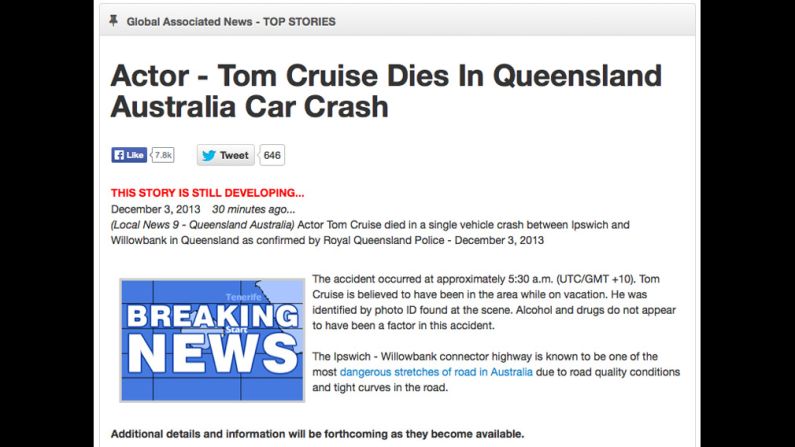
Third, consider the timing. Did this news just break out of nowhere? Is there any official statement from the celebrity or their family?
Often, in real situations, there's a period of silence as people gather information. A sudden, unconfirmed announcement is a red flag.
Fourth, be wary of sensational headlines. Words like "SHOCKING," "UNBELIEVABLE," or excessive use of capital letters are often used to grab attention.
Reputable news sources tend to be more factual and less dramatic in their headlines. They present the information, not the emotion.
Finally, trust your gut. If a story feels too unbelievable, it probably is. The internet is a wild place, and not everything you read is true.
These hoaxes, while sometimes alarming, are also a strange testament to how much we care about the people we see on our screens. They’re a reminder that even in the digital age, a good story, whether true or false, can capture our attention. So, next time you see a shocking headline, take a breath, do a quick check, and enjoy the drama from a safe distance.