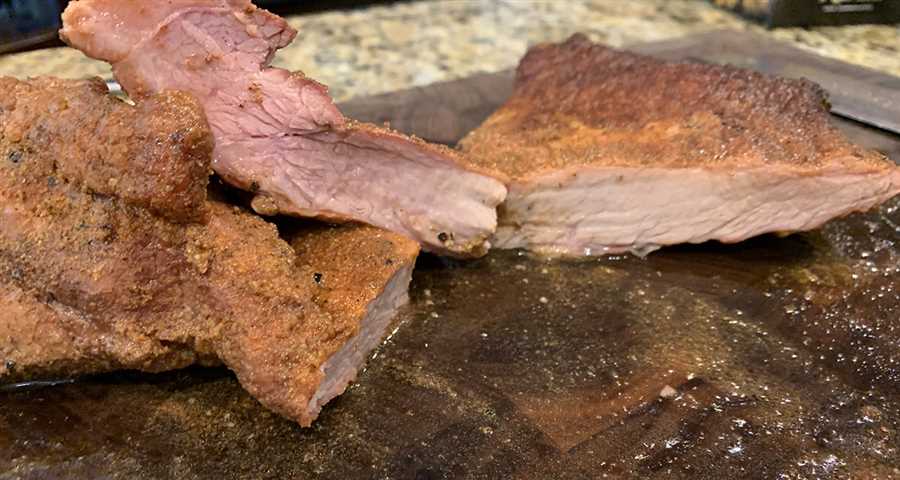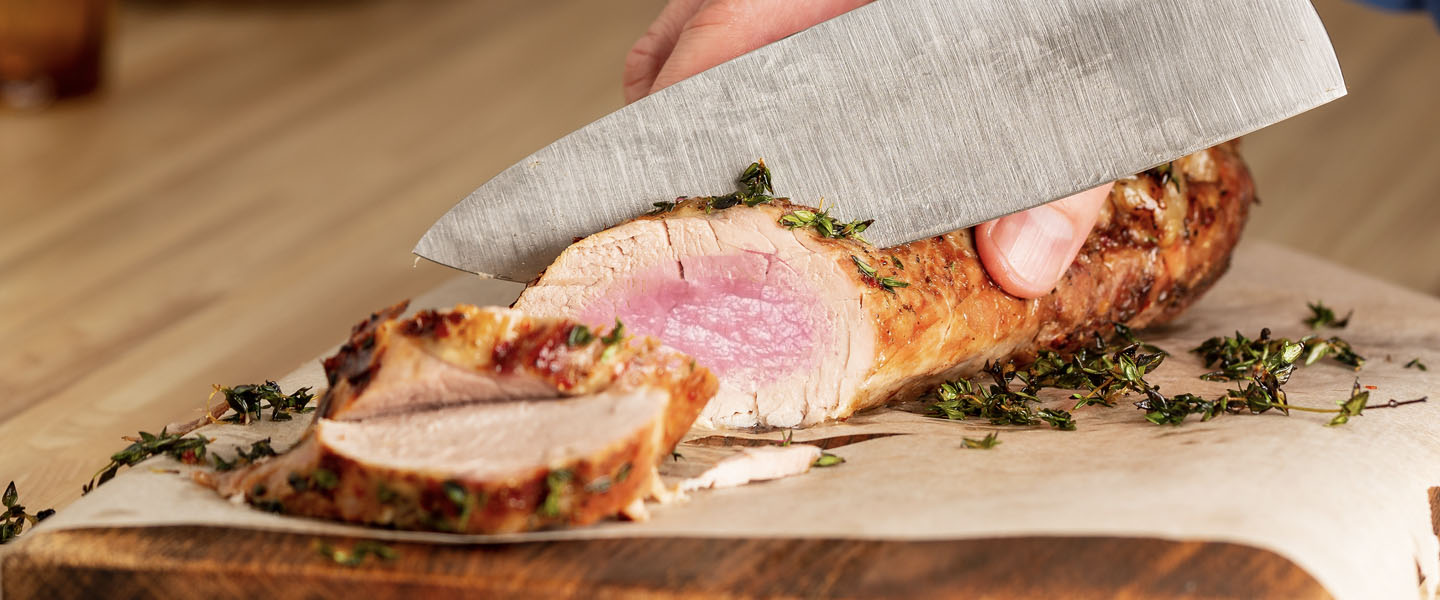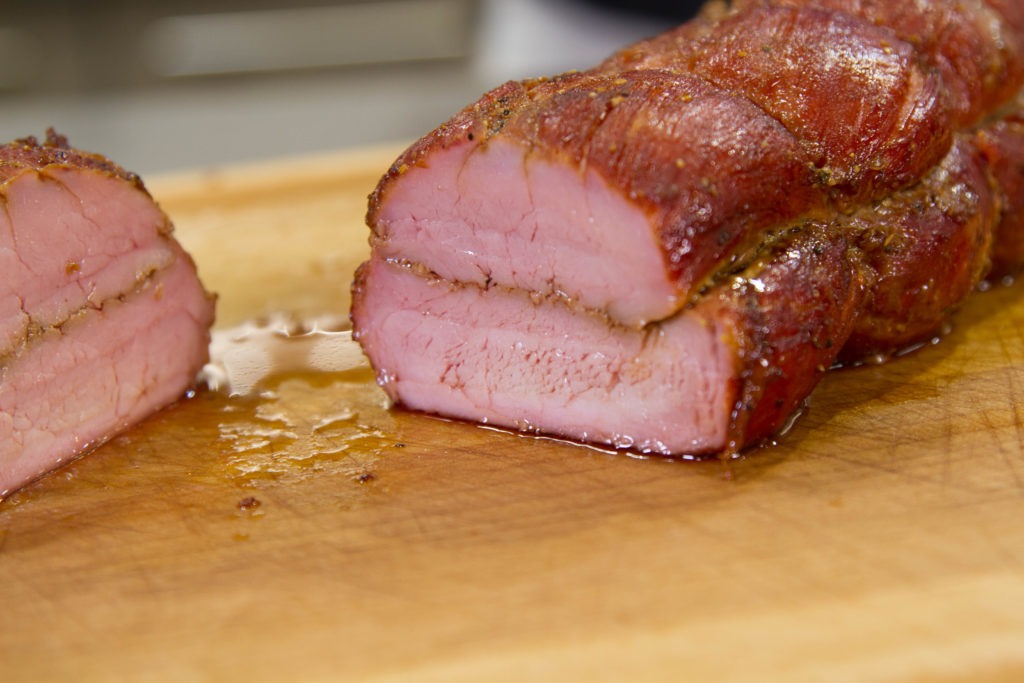
Ever stare at a perfectly cooked pork chop, golden brown and glistening, only to notice a hint of pink peeking through the center? Your immediate thought might be, "Uh oh, is it still raw?" Well, get ready for a delightful little surprise because, believe it or not, pork can be a gorgeous shade of pink when it's completely, utterly, and deliciously cooked! Mind. Blown. Right?
It's a culinary quirk that has baffled home cooks and sparked countless kitchen conversations. For years, we've been drilled to cook pork until it's bone-white, right? Anything less was a culinary gamble, a potential ticket to a stomachache. But the world of pork is a little more nuanced, a lot more forgiving, and dare we say, a whole lot tastier than we might have realized.
Think about it. We love our medium-rare steaks, don't we? That beautiful blush of pink in the middle is often the sign of peak deliciousness. And guess what? Pork can sometimes achieve a similar, albeit different, kind of pink perfection. It’s not about being undercooked; it’s about a subtle, intriguing transformation that happens within the meat.
So, what's the deal with this mysterious pink pork? It all boils down to a natural protein called myoglobin. You find it in animal muscles, and it’s responsible for storing oxygen. When pork (or beef, for that matter) is cooked, this myoglobin undergoes a fascinating color change. Think of it like a tiny, internal magic show happening in your oven or on your grill.
For a long time, we were told to cook pork to an internal temperature of 160°F (71°C). That temperature would obliterate any hint of pink, leaving you with what many considered "safely cooked" but sometimes, let's be honest, a little on the dry side. But then, the culinary world started whispering, and then shouting, about a new benchmark: 145°F (63°C) for whole cuts of pork.

When pork reaches this magical 145°F mark, the myoglobin hasn't fully broken down. It retains some of its natural pigment, resulting in that lovely, soft pink hue. And here's the really exciting part: at this temperature, the pork is incredibly juicy, tender, and bursting with flavor. It's a whole new pork experience, and frankly, it's pretty darn fun to discover.
Imagine biting into a pork tenderloin that’s not chalky or tough, but succulent and moist, with just a whisper of pink. It’s a textural marvel. It’s a flavor revelation. It’s the kind of bite that makes you close your eyes and savor the moment. And it all starts with embracing the pink!
This change in recommended cooking temperature isn't just a random whim. It’s based on advancements in food safety. Modern farming practices and stricter regulations mean that the risk of certain foodborne illnesses from pork is significantly lower than it used to be. This allows us to be a little more adventurous with our cooking, and our taste buds are thanking us for it.
So, how do you achieve this pink perfection? It’s surprisingly simple, and it all comes down to a trusty meat thermometer. Don't be intimidated by it! It's your best friend in the kitchen when it comes to nailing that perfect cook. Forget poking and prodding or trying to guess based on how the juices look. A thermometer gives you the definitive answer, every single time.
When you're cooking a pork chop, a pork loin, or even a pork roast, aim for that 145°F mark. Pull it off the heat at that temperature, and then let it rest. Resting is another crucial step, allowing the juices to redistribute throughout the meat, making it even more tender and flavorful. As it rests, the internal temperature will continue to rise slightly, reaching that safe and delicious sweet spot.
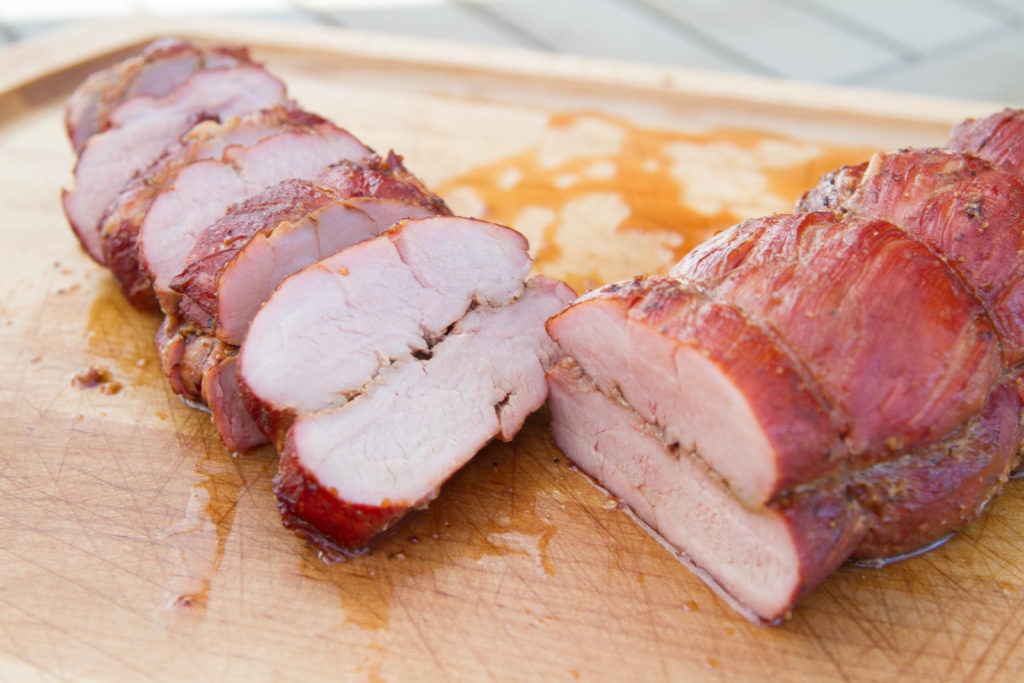
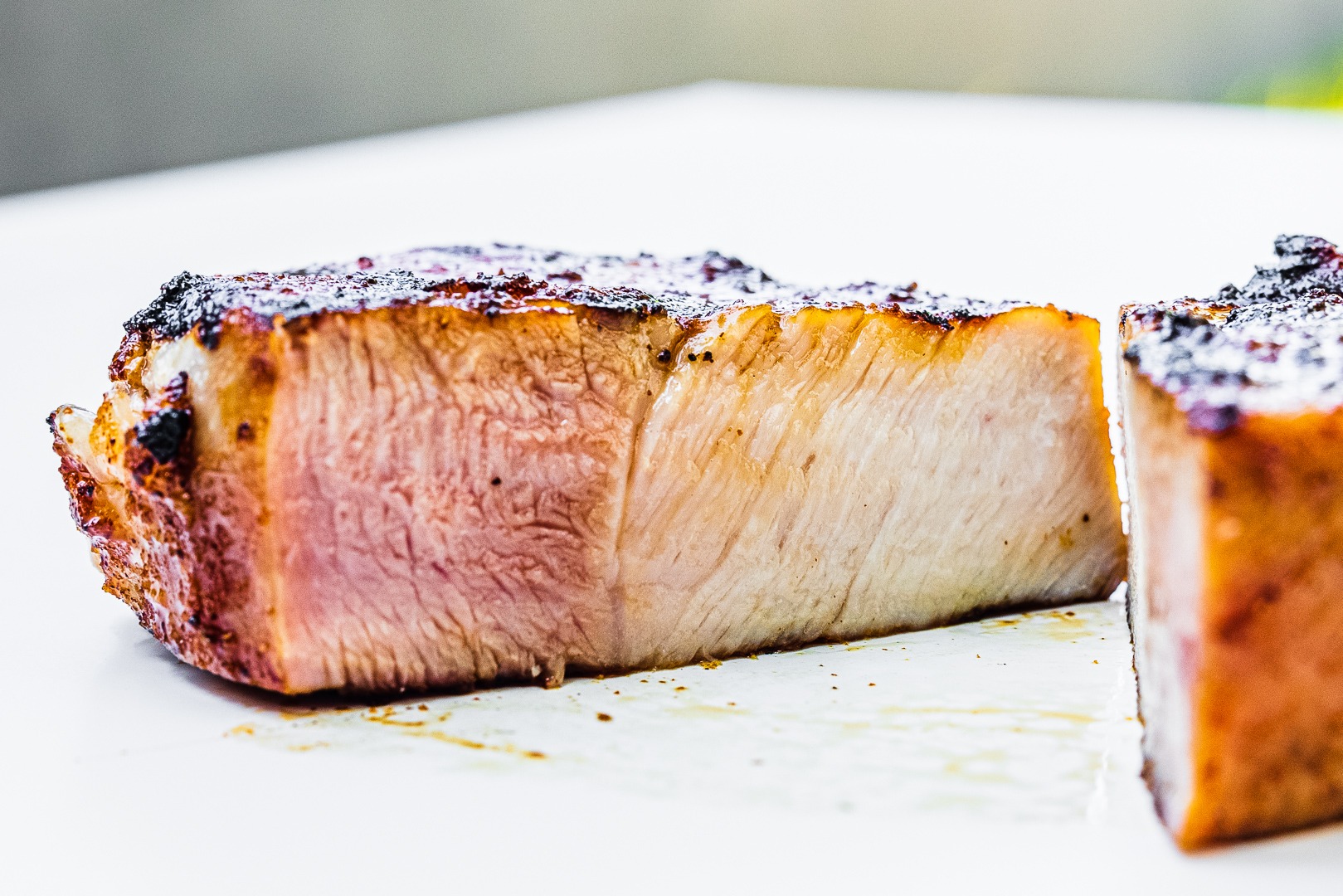
And the pink? It’s not a uniform color. You might see a gradient, with the very center being the most vibrantly pink, fading to a lighter shade as you move outwards. It’s beautiful, in a rustic, natural way. It’s a testament to the fact that sometimes, the most delicious things aren't what we were initially taught.
Think of the culinary journey we've been on. We used to fear any trace of pink in our poultry and pork. Now, we embrace it in beef. And slowly but surely, we're discovering the joys of a perfectly pink pork experience. It's like unlocking a secret level in the game of cooking!
It’s also worth noting that not all pork cuts will show pink equally. Thicker cuts, like a pork loin roast, might show a more pronounced pink interior than a very thin pork chop. But the principle remains the same: achieving that juicy tenderness at the right temperature is key.
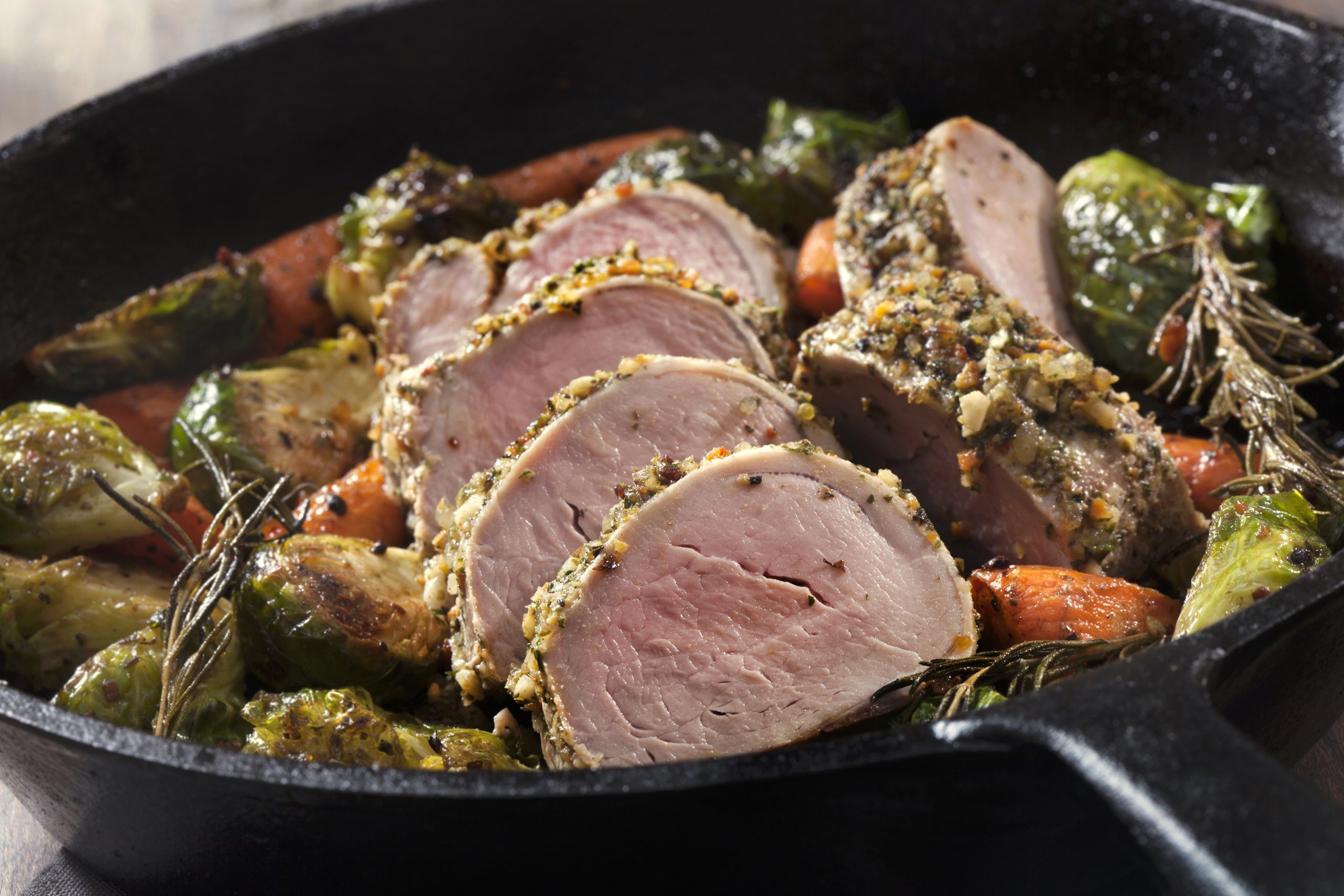
So, the next time you're planning a pork feast, I urge you to give it a try. Arm yourself with that meat thermometer, aim for 145°F, and prepare to be amazed. You might just discover your new favorite way to enjoy pork. It’s a little rebellion against old habits, a celebration of flavor, and a wonderfully tasty adventure. Go on, be bold! Let your pork be pink, and let your taste buds sing!
It’s a culinary adventure that’s both easy and incredibly rewarding. Don’t be afraid of the pink; it’s a sign of deliciousness waiting to happen!