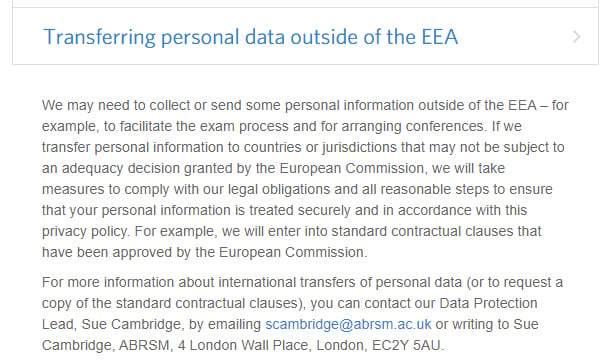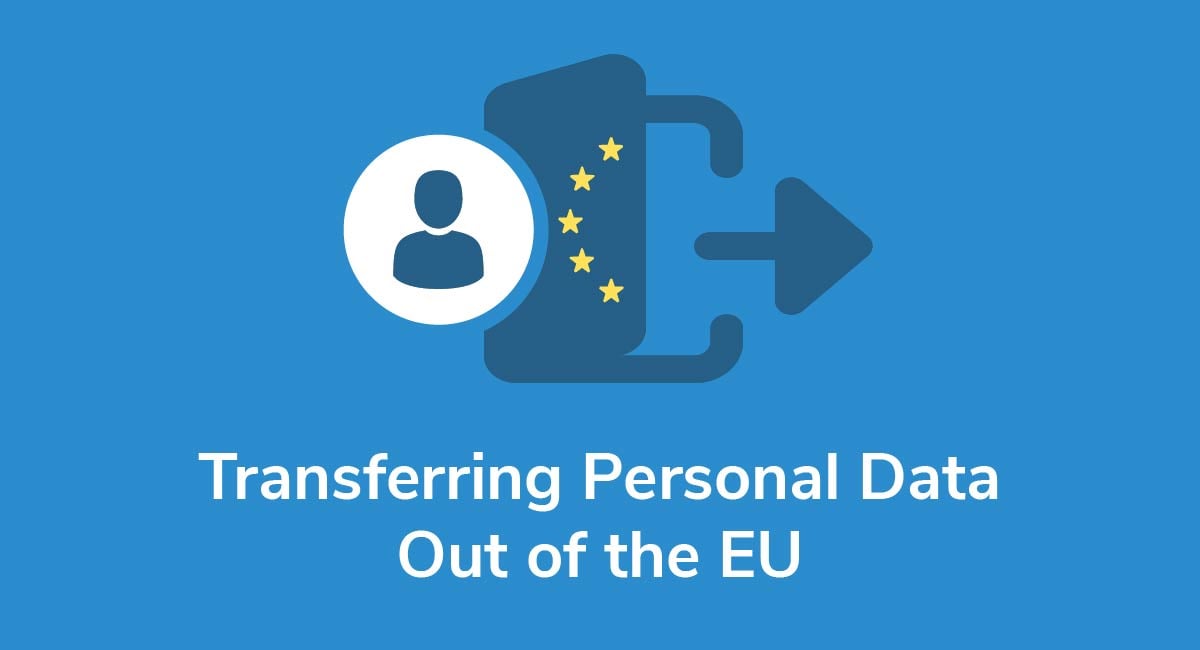
Hey there, coffee lover! So, you've probably been hearing a lot about data, right? It's like this invisible, super-important stuff that powers pretty much everything these days. And then there's Europe, with its fancy rules about keeping that data safe and sound. So, the big question on everyone's mind, especially if you've got a business or just, you know, a Google account, is: Can data even escape the EU?
It’s a bit like asking if you can sneak a cookie out of Grandma’s kitchen. There are definitely some rules in place, but is it impossible? Probably not. Let’s spill the tea, or rather, the data, on this whole GDPR thing.
The Big Bad GDPR: What’s the Fuss?
So, the European Union rolled out this massive data protection law called the General Data Protection Regulation – GDPR. Yeah, it’s a mouthful, I know. Think of it as the EU’s way of saying, “Hey, your personal information? It’s yours, and we’re going to protect it like a national treasure.” And honestly, who can blame them? We’re talking about everything from your email address to your deepest, darkest internet searches (don't worry, your secret's safe with me!).
Before GDPR, it was kind of the Wild West of data. Companies could do whatever they wanted with your info, and you'd probably never even know. Scary, right? GDPR put an end to that. It gave people more control, more rights, and made companies really think twice before doing anything shady with your bits and bytes.
The core idea is pretty straightforward: if you're a company operating in the EU, or if you're dealing with the data of EU citizens, you have to play by their rules. And these rules are… let’s just say… thorough.
What Does GDPR Actually Do?
Well, for starters, it demands that companies get your explicit consent before they collect and use your data. No more sneaky pre-ticked boxes, my friend! You have to actively say, “Yep, go for it!”
Then there’s the right to be forgotten. Remember that embarrassing photo from your college days that’s still floating around the internet? GDPR says you can ask for it to be removed. Imagine that power! It’s like a digital eraser for your past mistakes. (Though, let’s be real, some things are just too good not to remember, right?)
And this is where it gets interesting for our data transfer question: GDPR has some pretty strict rules about where your data can go. It’s not just a free-for-all. If a company wants to send EU data outside of the EU, they can’t just slap it on a digital pigeon and send it off. Oh no.
So, Can Data Actually Go?
The short answer is: Yes, but with conditions! It’s not a complete lockdown. Think of it like a very exclusive club. You can get in, but you have to follow the dress code and behave yourself. The EU isn't saying, “NEVER LEAVE!” They’re saying, “If you do leave, you better be bringing your A-game in terms of data protection.”
So, how do they make sure that data is still safe and sound when it’s hanging out in, say, the United States or Australia? They’ve got a few tricks up their sleeve.
Adequacy Decisions: The VIP Pass
One of the easiest ways for data to flow out of the EU is if the European Commission decides that the country receiving the data has a level of protection that’s “adequate.” It’s like the EU taking a good, long look at another country's data laws and saying, “Yeah, they’re pretty much on par with ours. Your data should be safe there.”
Countries that get this “adequacy decision” are pretty much given a VIP pass. Data can flow relatively freely to them. Think of countries like the UK (post-Brexit, this was a big deal!), Canada, Japan, and a few others. They’ve jumped through the hoops, and now data can travel there with fewer headaches.
But here's the catch: these decisions aren't set in stone. They can be reviewed, and if the EU thinks a country has dropped the ball on data protection, poof! The adequacy decision can be revoked. It's a bit of a rollercoaster, and companies always have to keep an eye on what’s happening in those “adequate” countries.
Standard Contractual Clauses (SCCs): The Contractual Handshake
What if a country doesn't have an adequacy decision? Don’t despair! This is where things get a bit more… formal. Companies can still transfer data using something called Standard Contractual Clauses (SCCs). Imagine these as pre-approved legal contracts that you can use as a template.
Basically, the EU provides these standard clauses that you (the data exporter) and the recipient (the data importer) have to sign. These clauses contain promises – legally binding promises – that the recipient will protect the data to EU standards. It’s like signing a super-detailed prenup for your data.
These SCCs have been around for a while, and they’ve been updated over time. The latest version is quite comprehensive, and it requires companies to do a bit of homework before they even sign them. They need to assess the laws of the receiving country and make sure that the SCCs will actually offer real protection. This is a crucial step, and one that many companies have had to get really good at.
Binding Corporate Rules (BCRs): The Family Agreement
This one is for the big players, the multinational corporations with lots of branches all over the place. If you're part of a large group of companies, you can implement Binding Corporate Rules (BCRs). Think of this as an internal set of rules that govern how data is transferred within your own corporate family.
You have to get these BCRs approved by the EU data protection authorities, which is no small feat. It's like getting your entire extended family to agree on a set of house rules. Once approved, it allows for the transfer of personal data between your affiliated companies, even if they're in countries without adequacy decisions.
It's a lot of work upfront, but if you’re a global giant, it can be a very effective way to keep data flowing smoothly within your own operations while staying compliant. It’s all about demonstrating that you have a robust, internal system for protecting EU data, no matter where it goes within your organization.

Derogations: The Last Resort (and the Most Tricky)
Now, for those situations where none of the above really fit, there are derogations. These are basically exceptions to the rule. They’re designed for very specific, often temporary, circumstances. Think of things like:
- Getting your explicit consent for a one-off transfer. Like, “Hey, I need to send this specific file to my cousin in the US, and I promise it’s just this one time.”
- Transferring data that's necessary for the performance of a contract between you and the individual. Like, if you're booking a flight, and the airline needs to send your details to a hotel in another country to confirm your booking.
- Protecting the vital interests of the data subject. This is a big one, like in emergencies.
- Transferring data that's necessary for legal claims.
These derogations are generally considered a last resort. They’re not meant for ongoing, large-scale data transfers. Why? Because they rely on the individual's consent or very specific circumstances. If you’re running a business that constantly transfers data, you can't just rely on asking everyone for permission every single time. That would be… a nightmare, to say the least!
The Schrems II Effect: A Game Changer
You can’t talk about EU data transfers without mentioning the Schrems II ruling. This was a HUGE deal. Basically, the European Court of Justice struck down a previous mechanism that allowed data to be transferred to the US (the Privacy Shield). Why? Because the court found that US surveillance laws didn't provide adequate protection for EU citizens' data.
This ruling sent shockwaves through the business world. Suddenly, a lot of data transfers to the US were on shaky ground. Companies had to scramble, reassess their transfer mechanisms, and figure out how to comply. It really highlighted that the EU isn't playing games when it comes to data protection. They will challenge mechanisms if they don't believe they offer sufficient safeguards.
The Schrems II case really pushed companies to be more diligent in their assessments of third-country data protection laws and to ensure that SCCs were being used appropriately, with supplementary measures in place where needed. It was a wake-up call, for sure.
What Does This Mean for You and Me?
So, if you’re an EU citizen, it means your data is generally better protected, even if a company uses a service provider outside of the EU. If you’re a business operating in or dealing with EU citizens, it means you have to be super careful about how and where you transfer data. You can’t just assume it’s okay. You need to understand the legal basis for your transfers, assess the risks, and implement appropriate safeguards.
It’s not about putting up an impenetrable wall around EU data. It’s about building a robust system of checks and balances to ensure that when data does travel, it's treated with the same respect and security it would have within the EU. It’s a complex dance, involving lawyers, IT experts, and a whole lot of reading fine print.
The Future of Data Transfers: What's Next?
This is a constantly evolving landscape. New agreements are being negotiated, new court cases are being heard, and technology is always changing. The EU is always looking to update its regulations and ensure that data protection keeps pace with the digital world.
There’s ongoing discussion about new data transfer frameworks, especially between the EU and the US. These aim to provide more clarity and security for businesses. It’s a bit like trying to build a better bridge over troubled waters. Everyone wants smooth sailing, but it takes a lot of engineering and agreement.
One thing’s for sure: data protection is no longer a niche concern. It’s front and center for governments, businesses, and individuals alike. So, the next time you hear about GDPR or data transfers, you’ll know it’s not just bureaucratic mumbo jumbo. It’s about safeguarding your digital identity in a world that runs on data.
So, can data be transferred out of the EU? You betcha! But it’s done with a lot more thought, a lot more legal paperwork, and a whole lot more emphasis on making sure that data stays safe, no matter where it’s jetting off to. It’s a bit like sending your kid off to college – you want them to have a great experience, but you also want to know they’re being looked after, right? Cheers to secure data!