Right, gather 'round, you lot, and let me spill the beans about something that’s been causing a right kerfuffle in the UK. We’re talking about breaks, specifically the mythical beasts of the 7-hour shift. You know, the ones where you clock in, do your thing, and then suddenly it’s “time’s up!” without so much as a crumb of biscuit or a decent cuppa to show for it. It’s like trying to run a marathon without water – not ideal, is it?
Now, before you start polishing your protest signs and demanding a national biscuit boycott, let’s break this down. Because, believe it or not, there’s a bit of a grey area out there. It’s not as simple as a big, fat “NO BREAKS EVER!” in neon letters. It’s more like a particularly complex Sudoku puzzle, with more twists and turns than a badger trying to escape a garden gnome convention.
The Great British Break Debate
So, what’s the deal with these 7-hour shifts and their supposed lack of legally mandated proper breaks? Well, the powers that be, bless their cotton socks and their spreadsheets, have a specific bit of legislation they trot out for this. It’s called the Working Time Regulations 1998, and it’s about as exciting as watching paint dry on a particularly beige wall. But, like that boring wall, it has some surprisingly sturdy structural integrity when it comes to your working rights.
According to this almighty document, if you’re working a shift of more than six hours, you’re generally entitled to a break. This break is usually at least 20 minutes. Think of it as your mini-holiday within the workday. A brief escape from the drudgery, a chance to stare blankly at a wall, or perhaps even engage in the revolutionary act of chewing something other than the end of your pen.
But here’s where the 7-hour shift sneaks in like a mischievous gremlin. If your shift is exactly 7 hours, or just over that six-hour threshold, the 20-minute rule usually kicks in. So, why all the confusion? Why do some people feel like they’re trapped in a caffeine-free purgatory?

The Devil is in the (Fine) Details
Ah, the devil, my friends, is always in the details. And the Working Time Regulations have more details than a meticulously illustrated children's book about worms. Firstly, the regulations say the break should be at least 20 minutes. This means it could be longer. Your employer could, in their infinite generosity, grant you a 30-minute lunch break, a 15-minute coffee break, and a 10-minute existential crisis break. Who knows?
Secondly, this break can be taken away or waived under certain circumstances. Now, this is where it gets really juicy. Employers can ask their staff to opt-out of these breaks if they agree to it. It’s like being offered a delicious cake but being told you have to sign a form saying you’d rather have a turnip. Weird, right? But it happens.
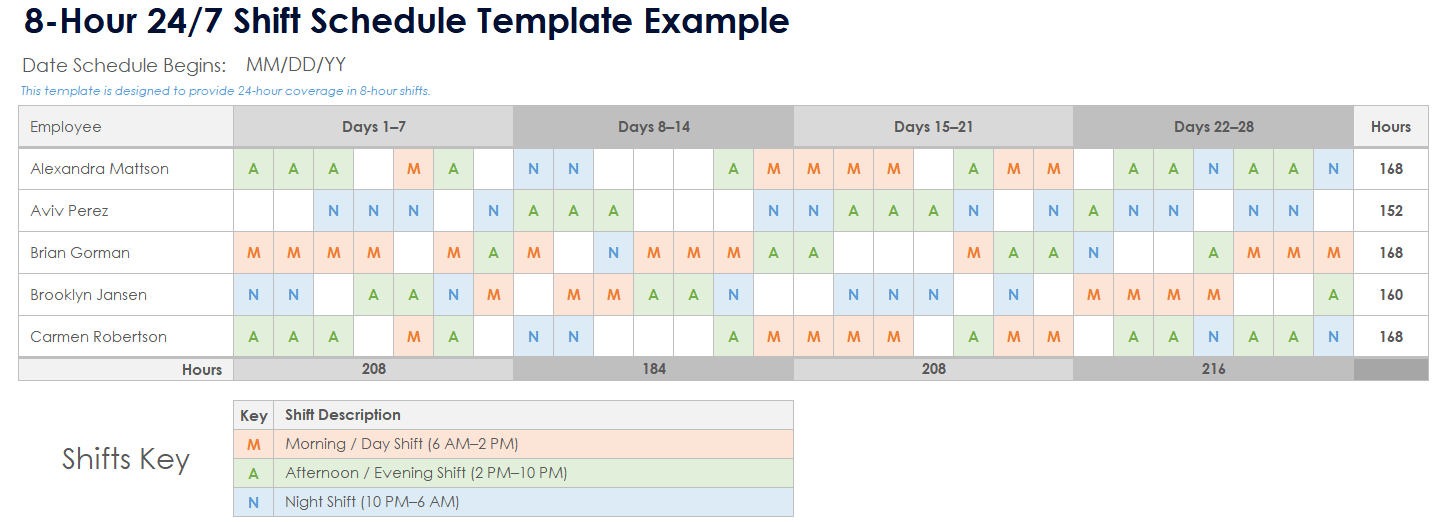
There are also specific industries and roles where the rules might be a bit… bendier. Think of people working in security, emergency services, or healthcare. Sometimes, the nature of the job means you can’t just swan off for a leisurely tea. In these cases, employers might have to provide alternative arrangements to ensure workers get adequate rest. This could be things like compensating for missed breaks or ensuring a staggered system so someone’s always on duty. It’s a bit like a highly choreographed dance where nobody’s allowed to trip over their own feet.
When Your Break Gets Nomadic
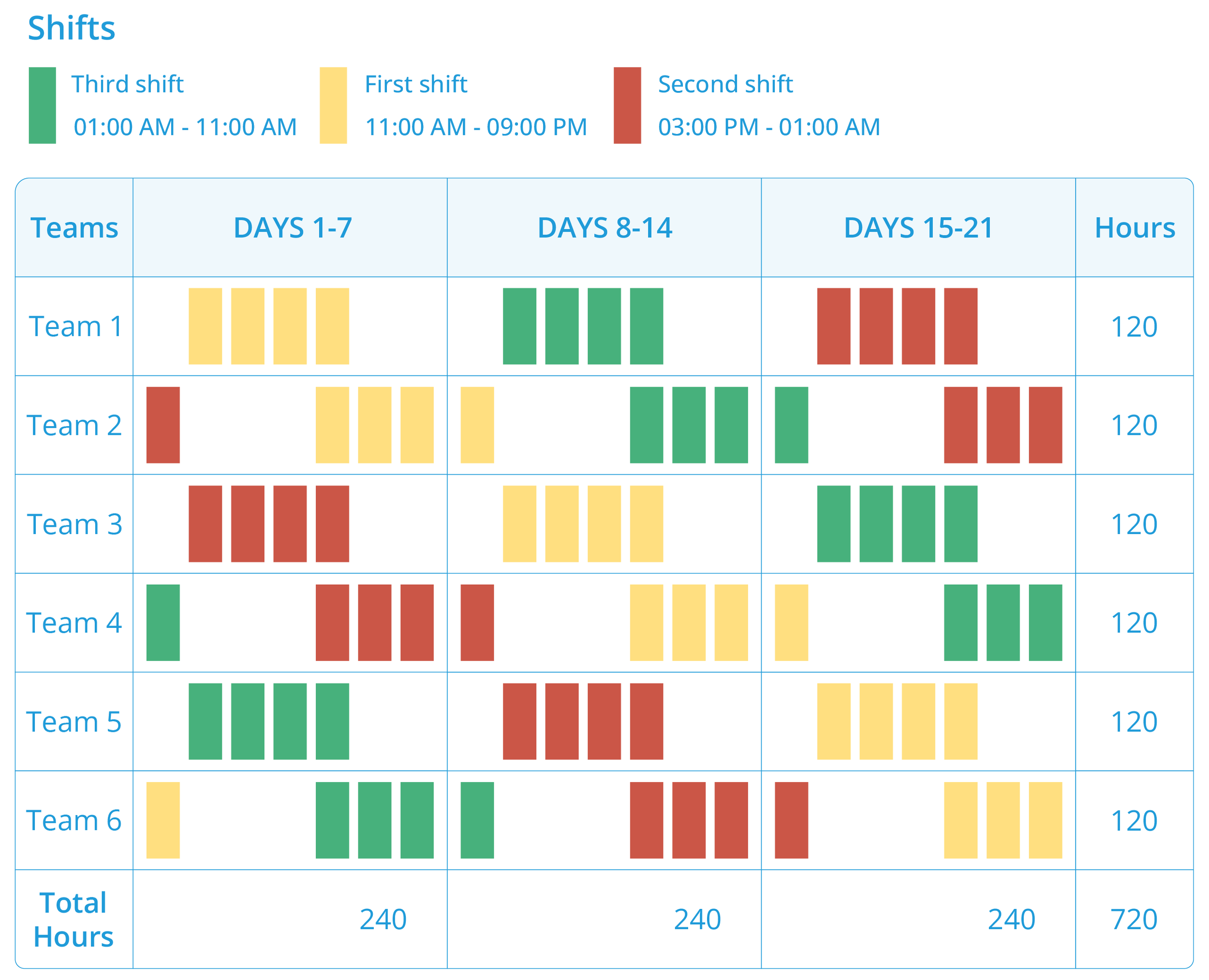
What if your 7-hour shift is split? What if you have a few hours, then a long gap, then a few more hours? Does that still count? This is where it gets even more like navigating a labyrinth designed by a particularly cunning cat. Generally, if the break between your working periods is significant – more than a quick trip to the loo – then each period might be considered a separate spell of work. This means your 7-hour shift could be broken into smaller chunks, and the break entitlement might not apply in the same way. It’s like trying to catch smoke with a sieve – frustratingly elusive!
Imagine you work 3 hours, have a 2-hour break to, I don’t know, learn to juggle or contemplate the meaning of life, and then work another 4 hours. That’s still 7 hours of work, technically. But because of that rather hefty gap, the employer might argue that the 20-minute break rule doesn't apply to the whole 7-hour stint as a single block. It’s a clever bit of legal origami, and it can leave a lot of people scratching their heads and wondering if their internal clock is broken.
The "Can I Actually Opt Out?" Conundrum
So, can your employer just say, “Nah, no breaks for you, mate”? Not exactly. While they can ask you to opt out, it needs to be done properly. You can’t be forced to opt out. If you refuse, they can’t penalise you for it. It’s your right, and it’s there to stop people from being worked to the bone like an over-enthusiastic badger digging for treasure. If you feel pressured into opting out, or if you’re not getting breaks when you should be, it’s probably a good idea to have a chat with your HR department, or perhaps even ACAS (that’s the Advisory, Conciliation and Arbitration Service, for those who like their acronyms). They’re the grown-ups in the room when it comes to workplace disputes.
And what about those of you who do opt out? Well, it’s your choice, and sometimes there are reasons for it. Maybe your job is so fast-paced that a proper break would disrupt the flow too much, and you’d rather just power through and leave early. Or perhaps you’re on a piece-rate system and every minute you’re not working is money down the drain. Whatever the reason, the opt-out is there, but it’s a conscious decision, not a default setting.
The Surprising Truth About "Unbroken" Shifts
Here’s a fun fact for you: the law actually recognises that sometimes, very rarely, there are jobs where continuous working is essential. Think of air traffic controllers or people operating heavy machinery where you can’t just nip off for a cuppa without causing a potential national incident. In these cases, employers might have to make sure that workers get compensatory rest periods. So, even if you’re not getting a mid-shift break, you might get extra time off at another point. It’s like a reward for your unwavering dedication to not causing chaos.
But for your average 7-hour shift at the local shop, the office, or wherever it is you ply your trade, this is unlikely to apply. Most jobs can accommodate a short break. It’s not asking for the moon on a stick; it’s just asking for a chance to stretch your legs, rehydrate, and prevent your brain from turning into a lukewarm bowl of porridge. Employers have a duty of care, and that includes looking after your well-being. A well-rested worker is a happier, more productive worker. It’s a win-win, really. Unless you're the biscuit provider, then it's a bit of a loss.
So, next time you're staring down a 7-hour shift and wondering about your break rights, remember this: the law is generally on your side for at least a 20-minute breather. Don’t be afraid to ask, and if you’re still unsure, there’s plenty of information out there. Just remember to take it all with a pinch of salt – and maybe a digestive biscuit, if you're lucky!