Hey there, economics adventurers! Ever feel like those headlines about "demand" and "supply" are written in some secret ancient dialect? Like, what does it really mean when the news says "Demand for avocados is soaring!" or "Supply chain crunch hits toy sales!"? Don't worry, you're not alone. It’s like trying to decipher the instructions for IKEA furniture after a few too many cups of coffee – a little baffling, right?
But here’s the cool part: understanding demand and supply isn’t some scary, high-brow thing only for people in tweed jackets with elbow patches. It’s actually a super useful lens to see the world through. Think of it as a secret decoder ring for understanding why prices do what they do, why some things are hard to find, and why your favorite snack might suddenly cost more. So, grab a virtual coffee (or a real one, no judgment!), and let's break down these headline mysteries together.
The Secret Lives of Demand and Supply: More Than Just Words!
Alright, so what are these mystical forces, demand and supply? Imagine you're at a farmer's market. Demand is like all the people with happy faces, wanting to buy those juicy strawberries. The more people want them, the higher the demand. Simple, right? It's basically your desire for something, and crucially, your ability to pay for it. You might desire a private jet, but if your wallet says "nope," that's not really demand in the economic sense. Sad times, I know.
Now, supply is on the other side of the coin. It's the farmers (or companies, or whoever!) who have those delicious strawberries and are willing to sell them. If there are tons of strawberries, the supply is high. If there was a terrible strawberry drought (cue dramatic music), the supply would be low. It’s about how much of a good or service is available to be sold.
These two forces are like a constant, invisible dance. They’re always interacting, pushing and pulling on prices and availability. It’s not magic; it’s just how markets work! Think of it like a tug-of-war. Demand pulls one way, supply pulls the other, and the rope (the price!) shifts.
When Demand Goes Wild (Like a Toddler on Sugar!)
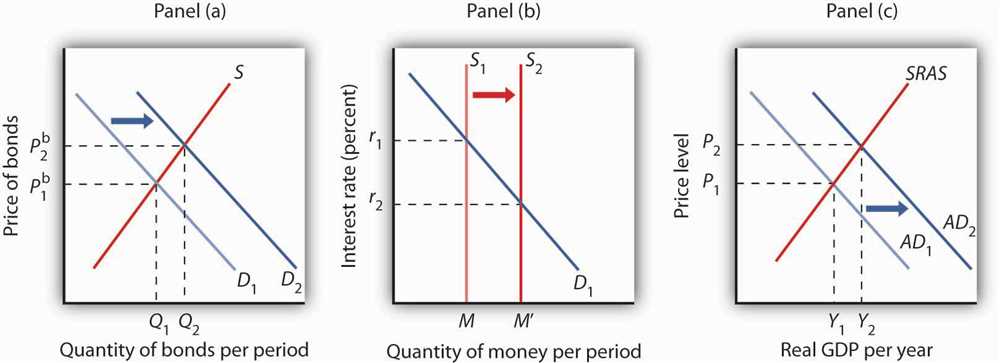
So, what happens when demand explodes? Remember those early days of the PS5? Suddenly, everyone wanted one. That’s a classic case of skyrocketing demand. Everyone was clamoring for it, willing to pay top dollar. What does that do to the price? You guessed it – it tends to go up!
Headlines that scream "Surge in Demand!" or "Consumers Flock to..." are usually talking about this. It could be for a new tech gadget, a trendy fashion item, or even something as simple as toilet paper during a… well, you remember that.
Why does demand surge? Lots of reasons! A new trend kicks in (everyone suddenly needs that particular avocado slicer). A celebrity endorsement makes something irresistible. Or, the price of a related good changes – if the price of butter goes up, people might buy more margarine (a substitute!), increasing demand for margarine. Or, if you buy more printers, you’ll probably buy more ink cartridges (a complement!), increasing demand for ink.

Sometimes, it's just pure excitement. Think about concert tickets for a beloved band. Demand can be astronomical, leading to those jaw-dropping resale prices. It’s a powerful force, and when it’s strong, businesses are usually pretty happy, even if consumers are a little less so (especially when paying the bill).
What Happens When Demand Takes a Dive?
On the flip side, what if demand suddenly plummets? Imagine a totally new, cooler gadget comes out that makes your old phone seem like a brick. Or, perhaps a product gets a bad rap for safety reasons. That’s when demand falls off a cliff. People just aren't as interested anymore.
When demand dries up, businesses have a problem. They’re stuck with inventory they can’t sell. What’s the solution? You guessed it again – they usually have to lower the price to try and entice buyers. Think of those end-of-season sales for winter coats in the middle of summer. The demand for warm coats in August is, shall we say, less than enthusiastic.
Headlines might say "Sales Slump," "Consumer Interest Wanes," or "Product Faces Weak Demand." These are signals that businesses need to rethink their strategy, perhaps by discounting, improving the product, or finding a new market.
Supply: The Stuff We Can Actually Get Our Hands On
Now, let’s talk about the other half of the equation: supply. This is where the rubber meets the road, or more accurately, where the widgets meet the warehouse. Supply is all about how much of something is available and at what price producers are willing to sell it.

If a farmer has a bumper crop of corn, they have a lot of corn to sell. That’s high supply. If a factory can churn out thousands of smartphones a day, that’s high supply of smartphones. Easy peasy, right?
But supply can be tricky. It's not just about how much can be produced, but how much is produced and offered for sale. A company might be able to make a million widgets, but if they think they can only sell them for a low price, they might choose to make fewer. It’s a bit of a balancing act for them, too.
When Supply Gets Tight (Like a Gym Sock After a Marathon!)
Ever tried to buy a popular video game on release day and found it sold out everywhere? That, my friends, is a classic case of limited supply. The demand was through the roof, but the supply just couldn’t keep up. What happened to the price? It often stayed high, or even went up on the resale market. It’s like a treasure hunt, and the treasures are few and far between.
Headlines like "Supply Chain Issues Halt Production," "Shortage of Key Components," or "Limited Availability" are all about this. These situations can be caused by all sorts of things:
- Natural Disasters: A hurricane hitting a major port can disrupt shipping, reducing the supply of goods.
- Labor Strikes: If workers go on strike, production stops, and supply dwindles.
- Raw Material Shortages: If the stuff needed to make other stuff becomes scarce (like computer chips!), then the products made from them become scarce too. Hello, car shortages!
- Logistical Nightmares: Sometimes, it’s just a tangle of trucks, ships, and planes not getting where they need to be, when they need to be there. Think of the Suez Canal blockage incident – that was a supply chain disaster movie in real life!
When Supply Overflows (Like a Bathtub Without a Plug!)
On the other hand, what if there’s just too much of something? Imagine a year where farmers have an unbelievably great harvest of apples. Suddenly, there are apples everywhere! That’s a case of oversupply. The market is flooded with apples.
What does a glut of apples mean for prices? They tend to fall. To get those apples moving before they spoil, sellers will often slash prices. You might see "Apples on Sale!" signs popping up everywhere. It’s a win for consumers who love apples!

Headlines might read "Bumper Crop Leads to Falling Prices," "Increased Production Drives Down Costs," or "Surplus of Goods." This is usually good news for buyers, as it means more bang for their buck. For the producers, it can be a bit of a challenge, but it’s part of the economic cycle.
The Magic of Equilibrium: Where Demand and Supply Meet
So, we’ve got demand wanting things, and supply providing them. What happens when these forces find a happy medium? This is where the economists get excited and talk about equilibrium. Think of it as the sweet spot where the number of things people want to buy perfectly matches the number of things sellers are willing to sell, at a specific price.
At the equilibrium price, there are no shortages and no massive surpluses. Buyers can get what they want without a crazy bidding war, and sellers can sell their goods without being stuck with heaps of unsold stuff. It’s like a perfectly balanced scale.
Headlines don’t often scream about equilibrium because, frankly, it’s not as dramatic as a shortage or a massive surge. But it’s the underlying goal of a well-functioning market. It’s the point of stability that keeps the economic wheels turning smoothly.
Putting It All Together: Decoding Those Headlines
Now, armed with this knowledge, let’s revisit those headlines:

- "Demand for Artisanal Coffee Beans Soars: Baristas Brace for Impact!" This means more people want fancy coffee. Businesses will likely try to produce more, and the price might go up.
- "Supply Chain Woes Hit Video Game Consoles: Shortages Expected for Holidays." This means it's hard to make and deliver the consoles. Demand is high, but supply is low. Get ready for potentially higher prices and a frantic search!
- "Tech Giant Reports Record Profits as Chip Shortage Persists." This headline is a bit more nuanced. The chip shortage (low supply) for many companies means they can't produce as much. But if this tech giant has enough chips or their product is in such high demand that they can command premium prices despite limited supply, they'll do well. It shows how understanding both sides is key!
- "Orange Juice Prices Expected to Drop After Abundant Harvest." This is a classic oversupply scenario. Lots of oranges means lots of juice, and that usually means lower prices for you!
- "Housing Market Heats Up: Demand Outstrips Available Homes." Yep, you guessed it. More people want houses than there are houses available. Expect prices to climb.
See? It’s not rocket science! It’s just about understanding how much people want something (demand) and how much of it is available (supply). These two forces are the fundamental building blocks of how markets function and how prices are set.
The Ever-Shifting Landscape
It’s important to remember that demand and supply aren't static. They're like living, breathing entities. Trends change, new technologies emerge, economies boom and bust, and unexpected events happen. This means that the "equilibrium" is constantly shifting. What’s in demand today might be yesterday’s news tomorrow, and what’s scarce now might be abundant in a year.
Think about smartphones. When they first came out, they were expensive and somewhat limited. Demand was high, and supply was catching up. Now? They’re everywhere, with endless features, and the competition keeps prices (relatively!) in check. The demand is still there, but supply has become much more robust.
So, the next time you see a headline that makes your economic brain do a little jig, take a moment to ask yourself: Is demand high or low? Is supply plentiful or scarce? What might this mean for prices and availability? You'll be surprised at how much more sense the world starts to make.
A Little Something to Smile About
Ultimately, understanding demand and supply isn't just about acing an economics quiz (though that's a nice bonus!). It's about becoming a more informed consumer, a more savvy shopper, and a more engaged citizen. It’s about recognizing the invisible forces that shape our daily lives, from the cost of your morning coffee to the availability of that must-have gadget.
And here’s the truly uplifting part: the constant dance between demand and supply, while sometimes causing temporary bumps and bruises, ultimately leads to innovation, efficiency, and the availability of the goods and services that make our lives better. It’s a system that, while not perfect, is incredibly dynamic and responsive. So, go forth, my friends, and decode those headlines with confidence! You've got this, and the world of economics just got a whole lot more interesting (and maybe even a little bit fun!). Keep exploring, keep questioning, and always remember to smile when you spot a good deal – that’s the beautiful interplay of demand and supply working in your favor!