Hey there, curious minds! Ever heard of something called ALS, or maybe Lou Gehrig's disease? It sounds a bit heavy, I know, but stick with me for a bit. We're going to unpack what this is, in a way that’s hopefully not too scary and maybe even a little… fascinating? Think of it like trying to understand a really complex puzzle, where each piece is vital to the bigger picture.
So, what exactly is ALS? At its core, it's a progressive neurodegenerative disease. Whoa, big words, right? Let's break that down. "Progressive" means it tends to get worse over time, like a slow-motion movie you can't stop. "Neurodegenerative" means it affects the neurons – those are the nerve cells in our brain and spinal cord. And "disease" is, well, a condition that affects our health.
Imagine your body is like a super-efficient, incredibly complex factory. Your brain is the boss, sending out instructions. Your spinal cord is the main conveyor belt. And your neurons are the tiny, super-specialized workers on that belt, carrying messages to every single part of the factory – your muscles. They tell your muscles when to flex, when to relax, when to twitch, and when to do everything that keeps you moving, talking, breathing, and even swallowing. Pretty neat, huh?
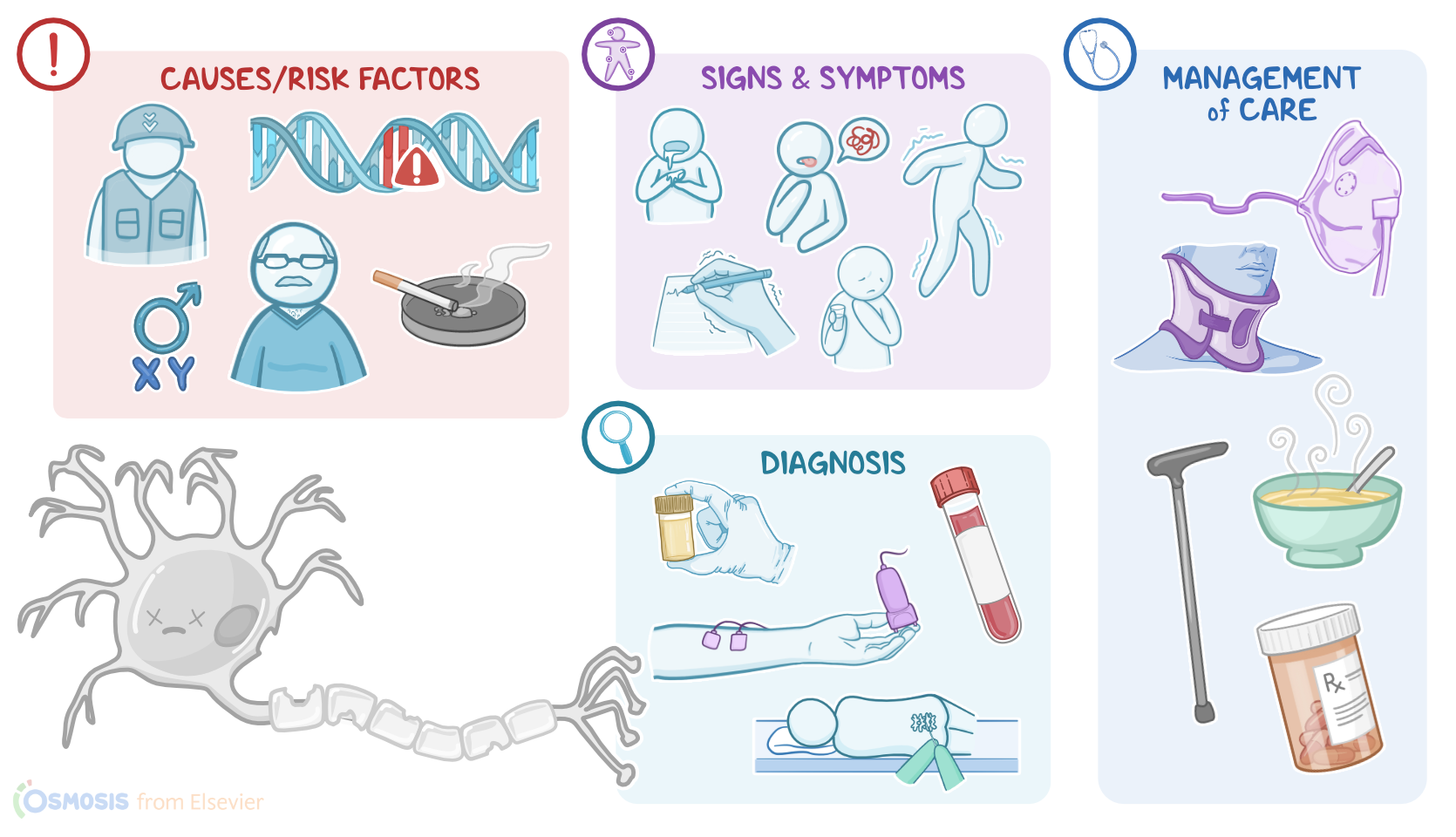
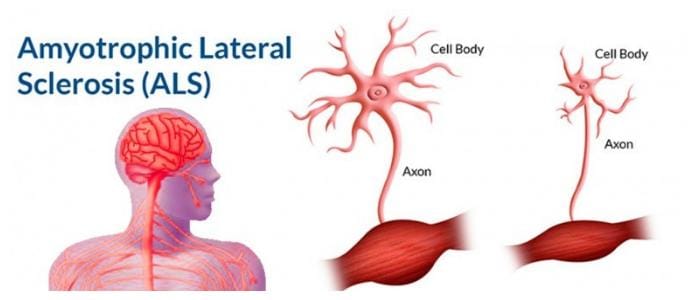
ALS messes with those workers. Specifically, it attacks the motor neurons. These are the guys in charge of voluntary muscle movement. Think about all the things you do without even thinking about it: wiggling your toes, blinking your eyes, taking a deep breath. All of that is thanks to motor neurons doing their job. ALS damages and eventually kills these motor neurons.
What happens when those workers start disappearing? Well, the messages from the brain can't get through as effectively, or at all. It's like a communication breakdown in our factory. This leads to muscle weakness, stiffness, and eventually paralysis. It can affect everything from walking and swallowing to speaking and breathing.
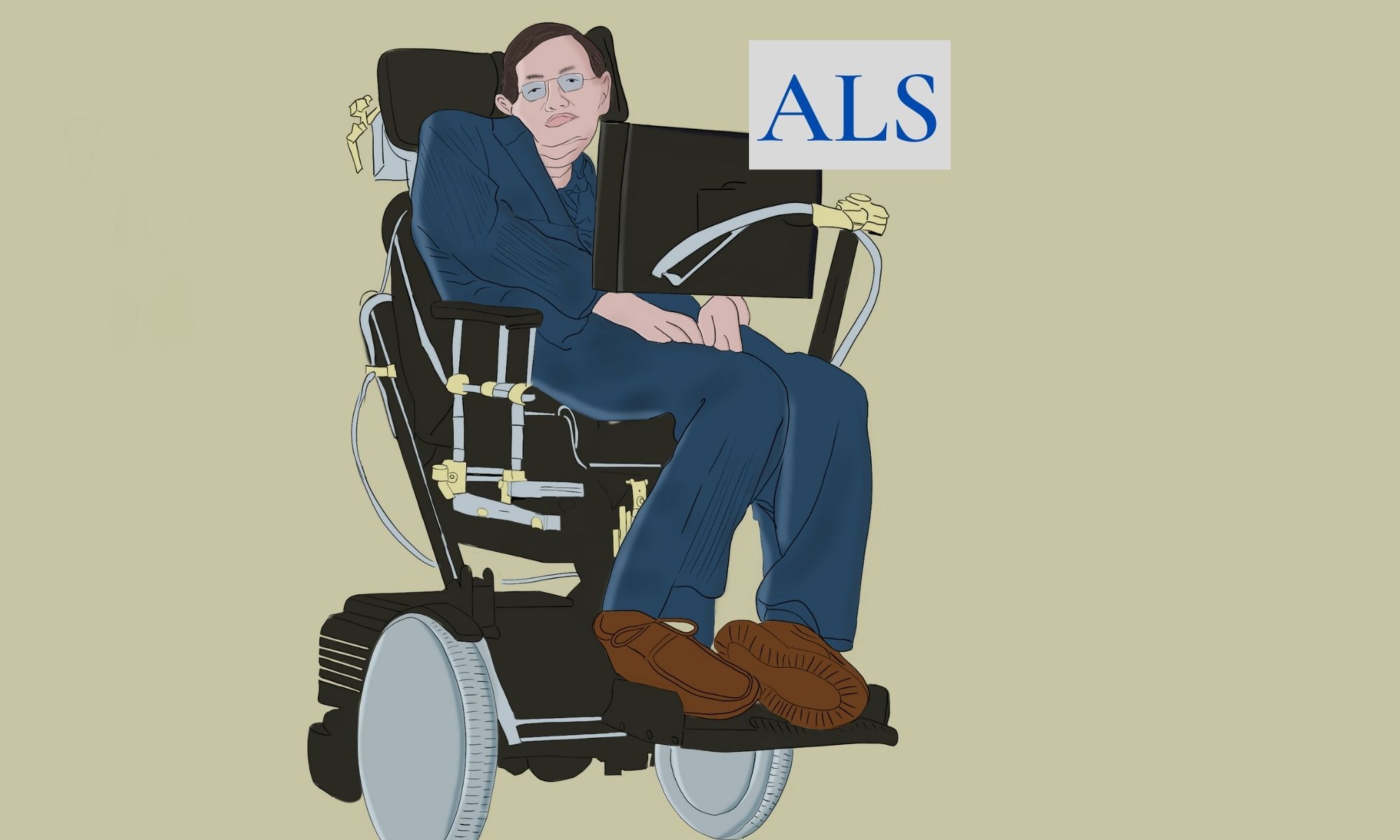
Now, why on earth is it called Lou Gehrig's disease? This is where the story gets a bit poignant, but also really important. Lou Gehrig was a legendary baseball player for the New York Yankees in the early 20th century. He was incredibly strong, known as the "Iron Horse" because he played in an astounding 2,130 consecutive games. Think of that dedication – almost 17 years of playing every single game, rain or shine, injured or not!
But then, in 1939, at the peak of his career, Gehrig was diagnosed with ALS. It was a devastating blow, not just to him and his family, but to the nation that adored him. He had to retire from baseball, and his fight with the disease became very public. He delivered one of the most famous and emotional farewell speeches in sports history, famously saying, "Today I consider myself the luckiest man on the face of the earth." Even facing such a terrible illness, his spirit was incredible.
Because Lou Gehrig was such a beloved and iconic figure, and because his illness brought ALS into the spotlight, the disease became widely known by his name. It’s a way of remembering his courage and raising awareness about the condition he battled. It’s like when a really cool invention gets named after its inventor – it carries the legacy forward.
So, ALS and Lou Gehrig's disease are pretty much the same thing. ALS is the medical term, and Lou Gehrig's disease is the common name, named in honor of the baseball star. It's a bit like how people might call your phone a "smartphone" or by its brand name, like "iPhone" or "Galaxy." Both are correct, but one is more descriptive of its function, and the other is tied to a person or a brand.
It's important to remember that ALS is not contagious. You can't "catch" it from someone. And while it affects muscles, it doesn't affect a person's mind or their ability to feel or think. People with ALS remain fully aware, feeling, and thinking individuals. This is a crucial point, and it’s what makes the challenges they face even more profound.
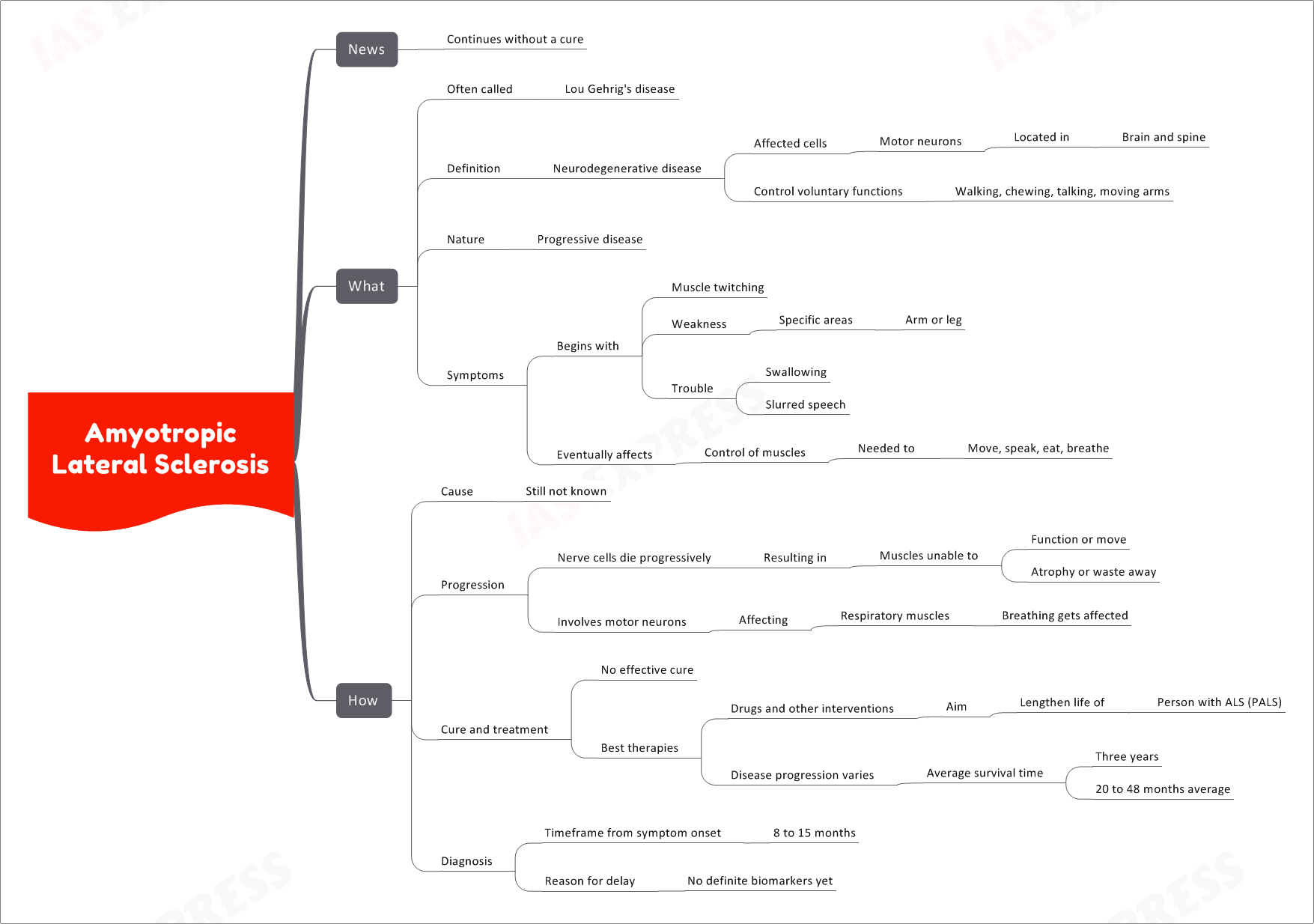
The exact cause of ALS isn't always clear. For most people, it seems to happen randomly, with no clear genetic link. This is called sporadic ALS. However, for a smaller percentage of cases, there's a family history involved, which is known as familial ALS. Scientists are still working hard to figure out all the whys and hows, like detectives trying to solve a very tricky case. They're looking into genetic mutations, environmental factors, and all sorts of things.
Living with ALS presents immense challenges. Because those motor neurons are the messengers that control movement, and they're being silenced, people can lose the ability to perform simple, everyday actions. It's like watching the wires in our factory get cut, one by one. This can lead to difficulties with talking, eating, and eventually, breathing. It's a deeply personal and often isolating experience.

But here's the thing – even with such a challenging disease, there's a lot of resilience and incredible work being done. Researchers are constantly pushing the boundaries, searching for better treatments and ultimately, a cure. There are also amazing organizations and support networks that help people with ALS and their families navigate the complexities of the disease. It’s like a whole community rallying around to support the factory when it’s facing issues.
Think of the human body as this amazing, intricate machine. ALS is a malfunction in a very specific, but incredibly vital, part of that machine. And while the current understanding and treatments are still evolving, the drive to understand and combat it is powerful. The legacy of Lou Gehrig, and the courage of everyone living with ALS today, continues to fuel the fight for a better future.
So, next time you hear "ALS" or "Lou Gehrig's disease," you’ll have a clearer picture of what it is and why it carries that famous name. It’s a complex journey, but understanding is the first step in so many things, isn't it? It's about appreciating the incredible complexity of our bodies and the remarkable spirit of those who face challenges with such grace.