I remember chatting with my neighbor, Brenda, over the fence a few years back. She was always so full of life, her garden bursting with vibrant colours. We were talking about her upcoming trip to Italy – she'd been planning it for ages. Suddenly, she paused, her usual sparkle dimming slightly. "It's just... getting a bit harder to hold my fork steady, you know?" she said, a wry smile playing on her lips. At the time, I didn't really grasp the weight of her words. We brushed it off, talked about sturdy cutlery, maybe some physiotherapy. Little did I know, that slight tremor was an early whisper of something far more serious, a condition that would, unfortunately, profoundly change her life: Amyotrophic Lateral Sclerosis, or ALS.
It's a cruel twist of fate, isn't it? Life throws its curveballs, and sometimes they hit with a force that takes your breath away. Brenda's story, while deeply personal, is sadly a common thread for many families touched by ALS. It's a disease that creeps in, often insidiously, impacting nerve cells that control voluntary muscle movement. And when those control signals get scrambled, well, things start to… misbehave. Muscles weaken, movement becomes a challenge, and speaking, swallowing, and even breathing can become incredibly difficult. It's a tough diagnosis, no doubt about it. But here's the thing: while we don't have a magic cure yet (oh, how we wish!), there's a lot more to the story than just the diagnosis. There are treatments, and importantly, a whole universe of support out there waiting to be discovered. So, let's dive in, shall we?
Understanding the Beast: What Exactly is ALS?
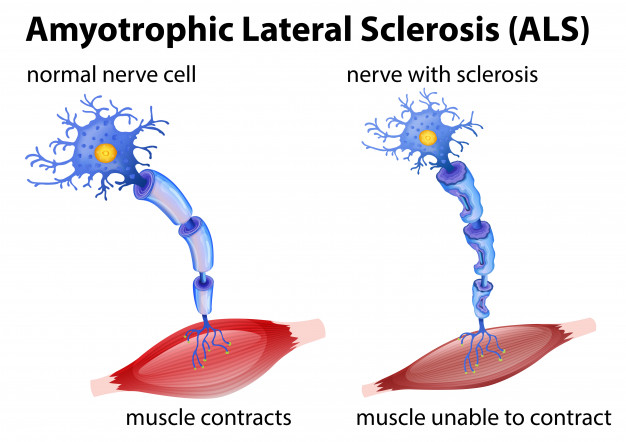
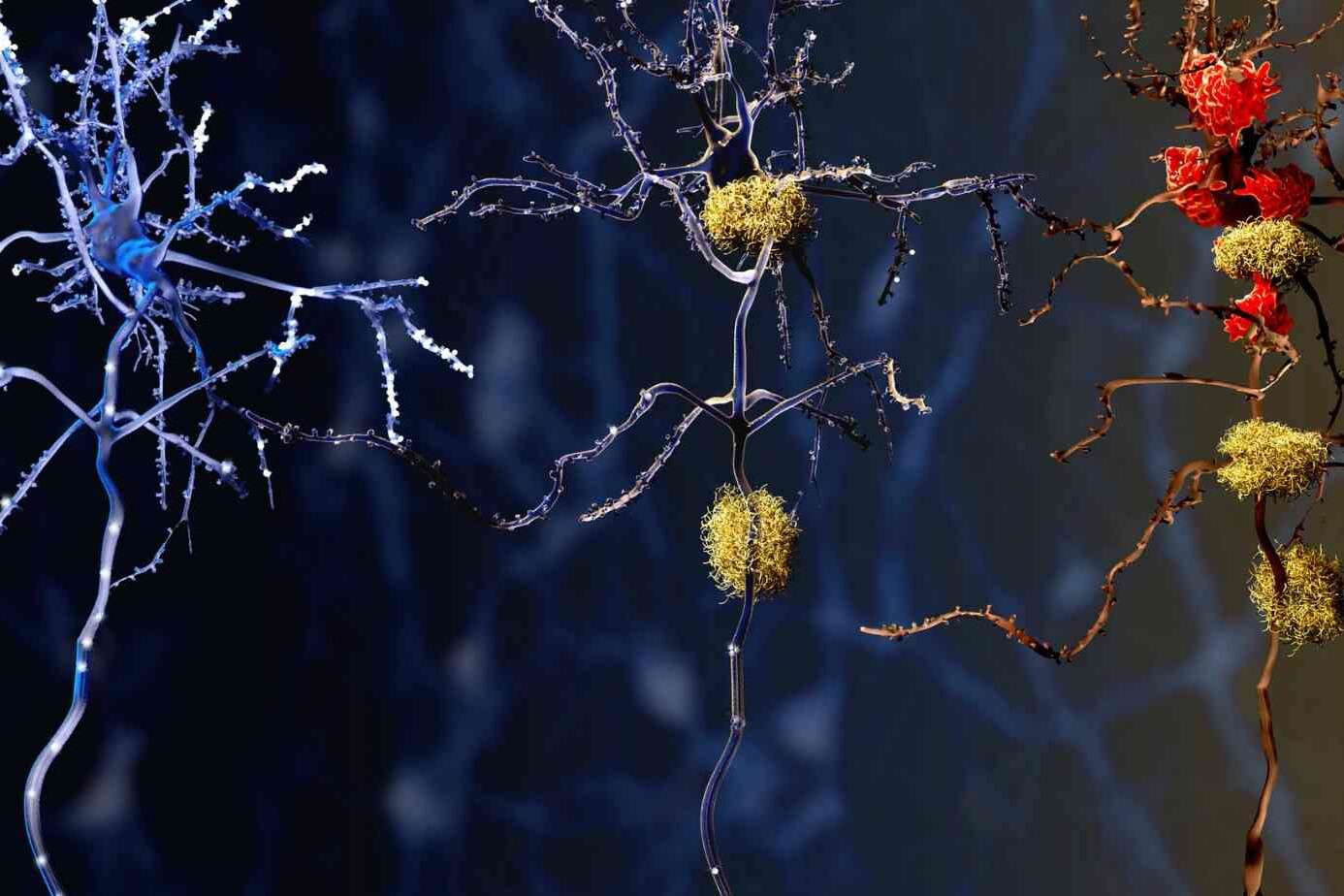
Okay, so let's get a little bit technical for a sec, but I promise to keep it light and not like a dry textbook. ALS is a progressive neurodegenerative disease. Big words, I know! Basically, it means that the nerve cells in your brain and spinal cord that tell your muscles what to do start to die off. Think of them like tiny little messengers carrying instructions from your brain to your biceps, your tongue, your diaphragm. When these messengers get sick, the instructions get lost or garbled, and your muscles can't do what they're supposed to. It’s not contagious, so you can’t “catch” it, which is one less thing to worry about.
It usually starts subtly. Maybe you notice a foot drop, a funny stumble, or a weakness in your hand that makes opening jars a bit of a workout. Sometimes it’s slurred speech, or finding it harder to swallow your favourite pasta. For some, it’s a more noticeable muscle twitching, like a tiny, involuntary dance happening under your skin. The key word here is progressive. It means it doesn't just stop; it tends to move through the body, affecting more muscles over time. It’s a bit like a slow-moving wildfire, except instead of burning down forests, it’s subtly dismantling our ability to move and communicate. And honestly, that’s the terrifying part for many, the loss of that fundamental control over our own bodies.
The cause of most ALS cases isn't fully understood. There's a small percentage that's genetic, meaning it runs in families. But for the vast majority, it's sporadic, meaning it pops up out of the blue. Scientists are still working tirelessly to unravel these mysteries, and every bit of research is a step closer to understanding, and hopefully, preventing or treating it. It's a bit of a medical whodunit, and the stakes are incredibly high.
Treatment Options: It's Not Just About Slowing Down
When you hear "treatment options" for a progressive disease like ALS, your mind might immediately jump to "managing symptoms" or "slowing progression." And yes, those are absolutely vital components. But it's also about quality of life. It's about finding ways to keep living, to keep connecting, to keep being you, even when your body is presenting new challenges.
Medications: The First Line of Defense
There are a few medications approved to treat ALS. You might have heard of Riluzole (brand name Rilutek). It's been around for a while and is generally considered the first line of defense. The scientific studies have shown it can help to slow down the progression of the disease and may extend survival by a few months. It's not a cure, by any stretch, but in the world of ALS, every bit of time and preserved function counts. It works by reducing the damage to nerve cells caused by a substance called glutamate, which can be present in high levels in people with ALS.

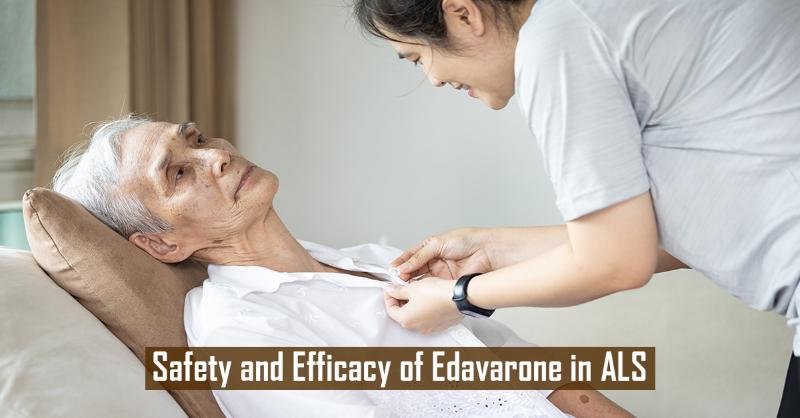
More recently, a drug called Edaravone (Radicava) has also been approved. This one is an antioxidant, and research suggests it can help slow the decline in daily functioning for some people with ALS. It's administered intravenously, which means it involves infusions, so it requires a bit more commitment in terms of clinic visits. Again, it’s not a miracle cure, but it’s another tool in the toolbox that aims to preserve function and improve quality of life. It's kind of like having a really good mechanic for your car – they can't rebuild the entire engine overnight, but they can make sure all the parts are working as optimally as possible.
Then there’s the newer kid on the block, AMX0035 (brand name Relyvrio), which combines two existing drugs. Early trials showed promising results in slowing functional decline. It’s a more recent addition, and research is ongoing, but it’s a positive sign that we’re seeing new options emerge. It’s important to remember that these medications are prescribed by neurologists who specialize in ALS. They'll consider your individual situation, your symptoms, and your overall health when recommending a treatment plan. Don't be afraid to ask questions – seriously, ask them all the questions. Your doctor is your partner in this.
Managing Symptoms: Making Life More Livable
Beyond the disease-modifying drugs, there’s a whole team of professionals dedicated to making daily life more manageable. This is where things get really practical and, honestly, pretty ingenious.
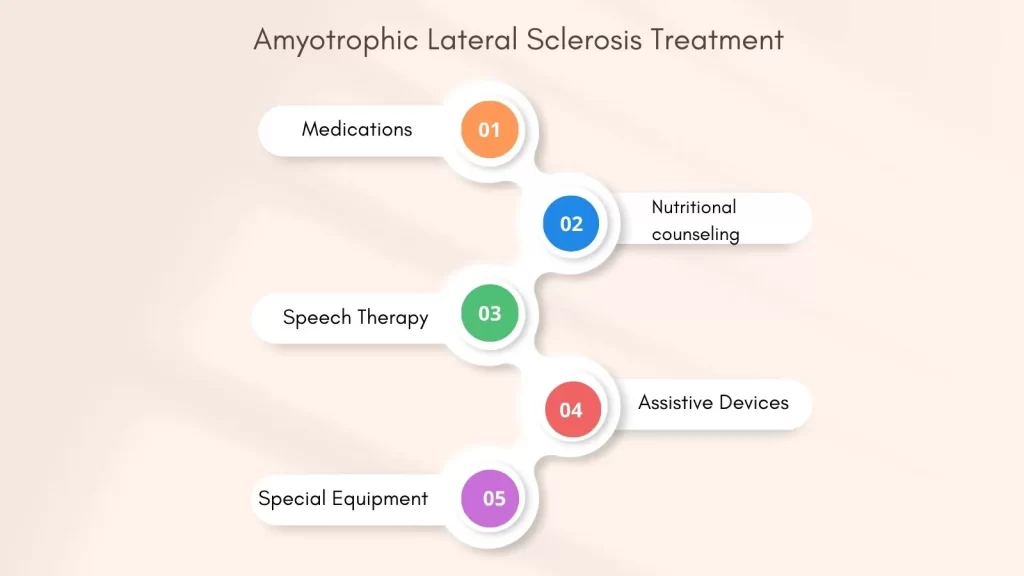
Speech Therapy: When talking becomes a challenge, speech-language pathologists (SLPs) are absolute superheroes. They can help with exercises to strengthen speaking muscles, teach you how to conserve your voice, and most importantly, introduce you to assistive communication devices. Think about it: from simple picture boards to sophisticated eye-gaze technology that allows you to type and speak using just your eyes! It’s mind-blowing stuff. Imagine being able to chat with your grandkids again, tell a joke, or just express your needs. That’s the power of these tools.
Occupational Therapy: These are the folks who help you adapt your environment and your daily routines. Need help getting dressed? They’ve got ideas for adaptive clothing. Struggling with cooking or eating? They can suggest adaptive utensils, dressing aids, and strategies for safe swallowing. They can also help with assistive devices for mobility, like walkers or wheelchairs, and even modifications for your home to make it safer and more accessible. It’s all about empowering you to maintain independence and dignity.
Physical Therapy: While physical therapy can’t reverse muscle weakness, it's crucial for maintaining flexibility, preventing contractures (where muscles tighten and shorten), and managing pain. Gentle stretching, range-of-motion exercises, and sometimes even specially designed assistive equipment can make a huge difference in comfort and mobility. It’s about keeping your body as functional and comfortable as possible for as long as possible.
Nutritional Support: Swallowing difficulties can lead to weight loss and malnutrition. So, dietitians play a vital role. They can recommend modified diets, thickened liquids, and sometimes even feeding tubes to ensure you’re getting the nutrition you need to stay strong. It might sound daunting, but it’s all about finding ways to fuel your body effectively.
Respiratory Support: As ALS progresses, breathing can become a concern. Non-invasive ventilation (like a BiPAP machine, which is like a sophisticated mask that helps you breathe) can be incredibly helpful in making breathing easier, especially at night. In later stages, a tracheostomy might be considered to ensure adequate breathing. It sounds scary, I know, but these interventions are designed to extend life and improve comfort. It’s about ensuring your body can do its most fundamental job.
Support Resources: You Are Not Alone, Ever.
Okay, so this is the part that truly warms my heart. When you’re navigating a challenge as big as ALS, you need a tribe. You need people who understand, who can offer advice, and who can just be there. And guess what? That tribe exists, in spades. You just have to know where to look.
Organizations and Foundations: The Lifelines
There are incredible organizations dedicated to ALS that are absolute powerhouses of information, support, and advocacy. The ALS Association in the United States is a big one. They offer a ton of resources, from educational materials and clinical trial information to support groups and financial assistance programs. They also fund research, which is, of course, incredibly important. Think of them as your go-to guide, your information hub, and your biggest cheerleader.
In other countries, similar organizations exist. For instance, the Motor Neurone Disease (MND) Association in the UK, or ALS Canada. The key is to find the organization that serves your region. A quick search online will reveal them. These organizations often have local chapters too, which means you can connect with people in your immediate community. That's pure gold.
These groups are not just about information; they're about connection. They understand the unique challenges families face, from the physical toll to the emotional rollercoaster. They offer practical advice, emotional support, and a sense of solidarity that can be truly transformative. They also advocate for better treatments and support services, so by connecting with them, you’re not only helping yourself but also contributing to a larger movement.
Support Groups: Finding Your Tribe
This is huge. Connecting with other people who are going through, or have gone through, similar experiences can be incredibly validating and empowering. Support groups, whether in-person or online, provide a safe space to share your fears, your frustrations, your triumphs, and your everyday realities without judgment. You can swap tips, share coping strategies, and just have a good laugh with people who get it. Brenda, my neighbor, found immense comfort in an online support group. She said it was like finding a secret club where everyone spoke the same language, even when words were hard to form.
These groups are often facilitated by trained professionals or experienced individuals, ensuring a supportive and productive environment. They can range from general ALS support groups to more specific ones, like those for caregivers or for individuals experiencing certain symptoms. Don't underestimate the power of shared experience. It’s like a collective hug when you need it most.
Caregiver Support: They Need Love Too!
Let’s not forget the amazing people who are the backbone of support for those with ALS – the caregivers. Spouses, children, friends, family members – they are on a journey too, and it's a demanding one. Many ALS organizations offer specific resources for caregivers, including educational programs, respite care information, and support groups tailored to their unique needs. It's so important for caregivers to take care of themselves too. You can't pour from an empty cup, right? Making sure they have their own support network is crucial.
Technological Innovations: The Future is Now
Beyond the medical treatments, technology is constantly evolving to help people with ALS maintain their connections and independence. We already touched on communication devices, but think about smart home technology that can control lights, thermostats, and even doors with voice commands or simple gestures. Or advanced mobility aids that offer greater freedom of movement. These innovations are not just about convenience; they're about preserving autonomy and enriching lives. It's pretty amazing to see how technology is stepping up to bridge some of the gaps.
Navigating ALS is undoubtedly a challenging journey, but it's not a solitary one. With the right medical support, a proactive approach to symptom management, and a robust network of resources, individuals and families can face this disease with resilience and hope. It’s a testament to the human spirit, isn’t it? The way people adapt, the way they find joy, the way they continue to love and live fully, even in the face of adversity. Brenda, despite her struggles, still finds ways to enjoy her garden, albeit with different tools and perhaps a little more help. And her spirit, that vibrant, unyielding spirit? That’s something ALS can never touch. Remember, if you or someone you know is affected by ALS, reach out. There is help, there is hope, and there is absolutely a community waiting to support you. Don't hesitate to take that first step.