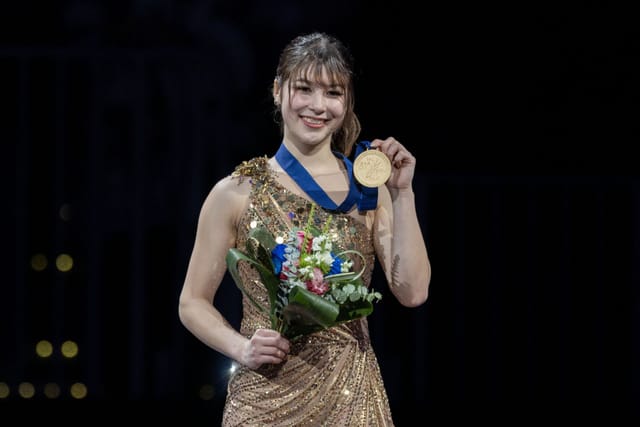
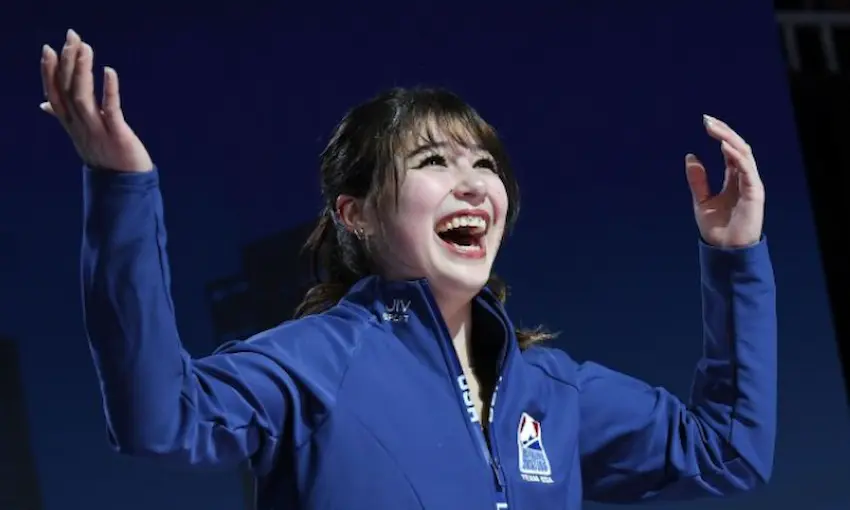
Figure skating. It's a dazzling blend of athleticism and artistry, where gravity-defying jumps meet graceful spins, all set to the rhythm of music. And when we talk about pushing the boundaries of what’s possible on the ice, one name that immediately springs to mind is Alysa Liu. Her journey to the pinnacle of the sport, culminating in Olympic glory, is a story told not just in breathtaking performances, but also in impressive statistics. Diving into the numbers behind her top achievements gives us a whole new appreciation for her incredible talent and dedication.
Why is looking at these stats so fun and useful? Well, for starters, it helps us understand the sheer magnitude of her accomplishments. We see the raw data that confirms what our eyes already tell us: she’s an absolute powerhouse! It’s like getting a peek behind the curtain, seeing the concrete metrics that define excellence in a sport that can sometimes feel so subjective. This isn't just about admiring her skill; it's about understanding the physical prowess, the technical precision, and the mental fortitude required to reach the Olympic podium. It makes her victories even more tangible and inspiring. Whether you're a seasoned figure skating fan or someone who just enjoys watching the Olympics, exploring Alysa Liu's stats offers a unique lens through which to appreciate her extraordinary career.
The Foundation of Excellence: Early Achievements
Even before her Olympic triumphs, Alysa Liu was making waves. Her ascent was marked by remarkable early success, setting a precedent for the dominance that would follow. One of the most significant milestones was her becoming the first American woman to land a quadruple jump in competition. This wasn't just a personal achievement; it was a paradigm shift in women's figure skating, showcasing a level of technical difficulty previously reserved for male skaters. Imagine the courage and years of practice it took to even attempt, let alone successfully execute, such a complex maneuver!
“The quad jump is like the Everest of figure skating for women. Landing one is a statement, landing multiple is rewriting history.”
Her record as the youngest U.S. national champion in over 90 years, achieved at just 13 years old, speaks volumes about her rapid development and innate talent. This early success demonstrates an incredible ability to perform under pressure from a very young age, a trait that is absolutely crucial for any aspiring Olympian. These early stats are the bedrock upon which her later Olympic success was built, proving that her talent wasn't a fluke but a consistent, growing force in the sport.
Olympic Heights: The Numbers of a Champion
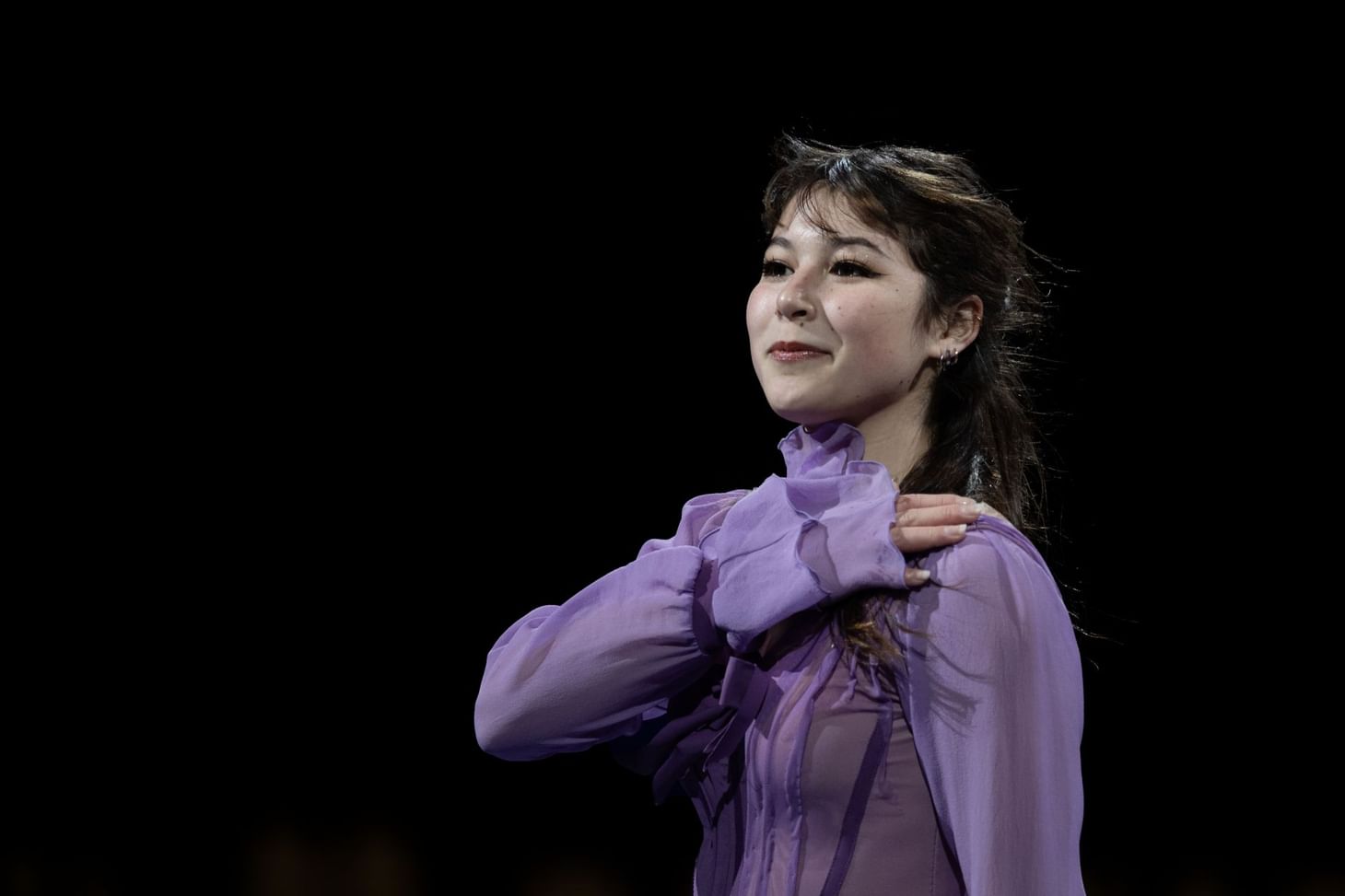
When Alysa Liu stepped onto the Olympic stage, the pressure was immense. The world was watching, and the stakes couldn't have been higher. Her performance was a testament to her resilience and dedication, and the numbers reflect this. While specific point totals can vary between competitions and scoring systems, the key statistics that defined her Olympic run highlight her exceptional technical ability and overall performance quality.
Her total score at the Olympics was a composite of her performance in both the short program and the free skate. A strong showing in the short program often sets a skater up for success, and Liu consistently delivered clean and technically demanding routines. The free skate, longer and more demanding, is where skaters can truly showcase their endurance and repertoire of difficult elements. For Liu, this meant not only performing intricate jump combinations but also executing complex spins and step sequences with precision and artistry. The base value of her jumps, particularly any triple axels or quad attempts, played a significant role in her score. These are the highest-scoring elements in figure skating, and Liu’s ability to consistently land them at an elite level gave her a competitive edge.
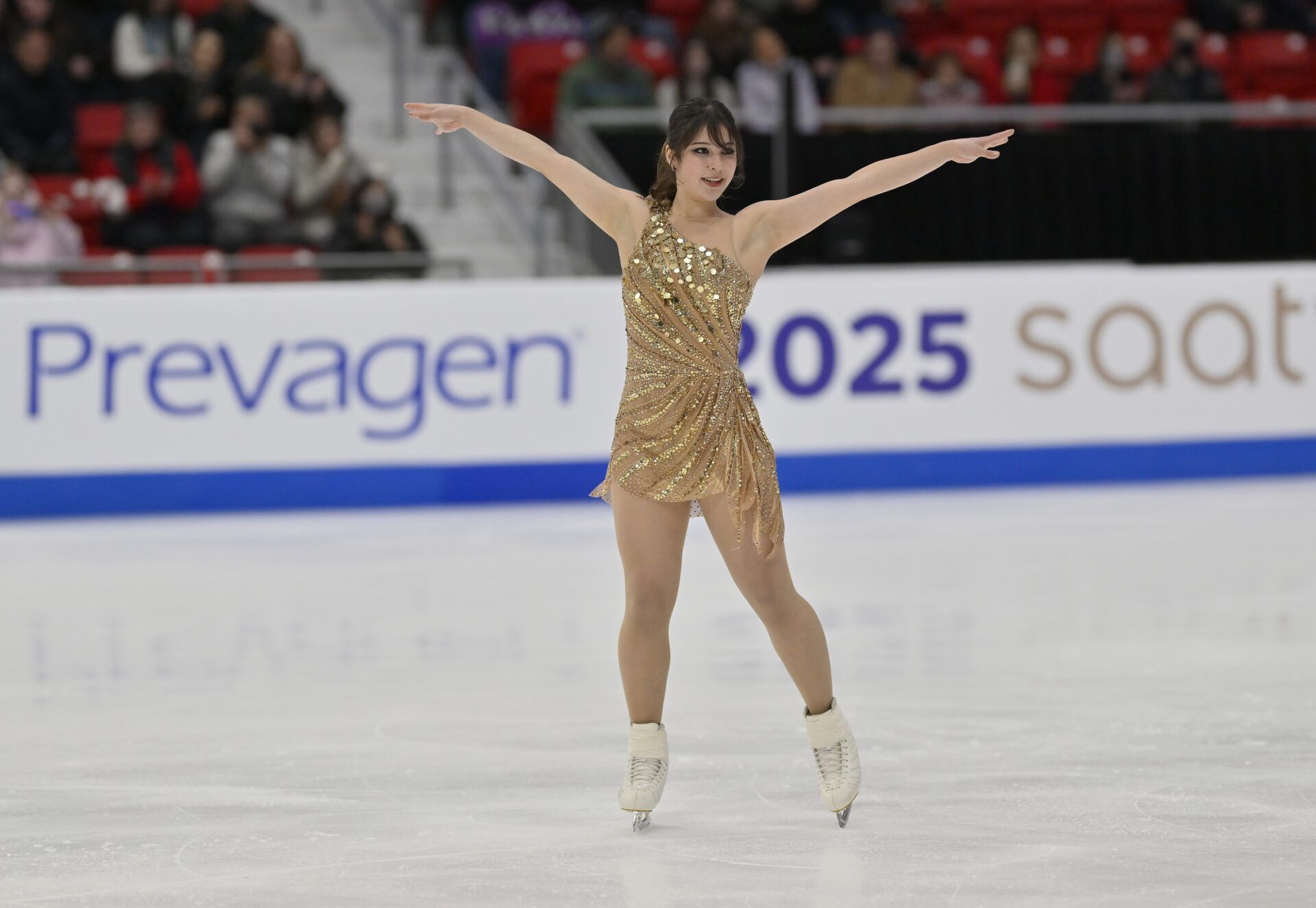
Furthermore, the Grade of Execution (GOE) awarded by the judges is critical. A high GOE signifies that a jump, spin, or step sequence was performed exceptionally well, with good height, distance, flow, and seamless transitions. Liu's GOE scores often reflected her clean landings and the high quality of her skating, demonstrating that she wasn't just landing the difficult elements but doing so with a level of polish that impressed the judges. Her program component scores, which assess skating skills, transitions, performance, choreography, and interpretation, also contributed significantly. These scores are a measure of the artistry and overall presentation of her program, areas where Liu has always shown significant growth and maturity.
Beyond the Medals: Defining Statistics
While an Olympic medal is the ultimate prize, the statistics that surround a skater's performance offer a deeper understanding of their journey. For Alysa Liu, this includes her personal best scores in both the short and free programs. These are the benchmarks of her highest level of performance, showcasing what she is capable of when everything comes together. Comparing these personal bests to her Olympic scores can reveal how closely she performed to her peak potential on the biggest stage.

The number of clean programs she delivered throughout her career is another important metric. A clean program means performing without falls or major errors, and consistently achieving this at the elite level is a sign of incredible mental fortitude and technical control. It also indicates a strong training regimen that has prepared her to handle the pressure of competition.
Finally, the progression of her technical elements over time is fascinating. Watching her evolve from mastering triple jumps to confidently executing quadruple jumps and triple axels is a narrative told in data. Each new element added to her arsenal represents months, if not years, of dedicated practice, pushing the boundaries of what was thought possible for a female skater. These stats aren't just numbers; they are the quantifiable evidence of Alysa Liu's relentless pursuit of excellence, a true testament to her status as an Olympic champion and a groundbreaking athlete in the world of figure skating.