Alright folks, let's dive into a topic that might sound a bit serious at first, but understanding it is incredibly important and, dare we say, even empowering! We're talking about Amyotrophic Lateral Sclerosis, or as most of us know it, ALS. While it's not exactly a "fun" topic in the way a new video game or a delicious recipe might be, its importance and the sheer resilience of those facing it make it a subject worthy of our attention. Think of it like learning about a complex, fascinating puzzle – the more you understand the pieces, the more you appreciate the whole picture and how people are working to solve it.
So, why is it useful and even popular (in terms of awareness and research) to talk about ALS? Because knowledge is power! The more we, as a general audience, understand what ALS is, its potential symptoms, how it progresses, and the amazing strides being made in treatment, the better we can support our communities, advocate for research, and offer compassion to those affected. It’s about demystifying a condition that can otherwise feel shrouded in fear and uncertainty. This understanding helps us move from a place of "what is that?" to a place of "how can I help?" or "this is what's happening, and here's how people are fighting back."
What Exactly is ALS? The Brain-Body Connection Breakdown
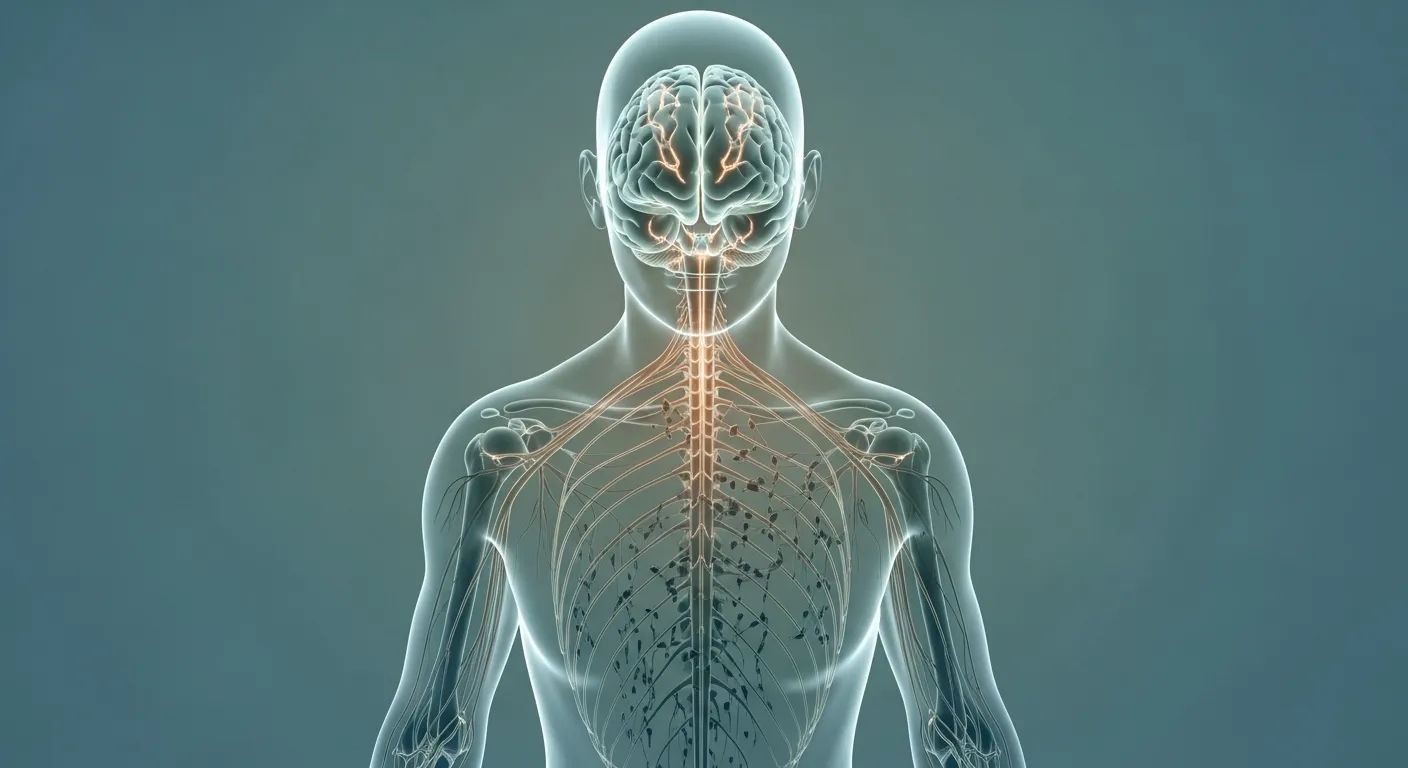
At its core, ALS is a progressive neurodegenerative disease that affects the nerve cells – specifically, the motor neurons – in your brain and spinal cord. These motor neurons are like the essential messengers that tell your muscles what to do, allowing you to move, speak, swallow, and breathe. In ALS, these crucial cells begin to degenerate and die off. It’s like the communication lines between your brain and your muscles start to get fuzzy and eventually go silent. This loss of communication means that your muscles gradually weaken and then become paralyzed.
The "why" behind this degeneration is still a significant area of research, with both genetic and environmental factors believed to play a role in different cases. While some forms of ALS are hereditary, many cases appear sporadically.
Spotting the Signs: Early ALS Symptoms
Recognizing the early signs of ALS is key, though it’s important to remember that these symptoms can overlap with many other conditions. This is why a proper diagnosis from medical professionals is so vital. However, some common early indicators include:

- Muscle Weakness: This is often the first thing people notice. It might start in a specific part of the body, like a foot that drags, hands that feel clumsy, or difficulty lifting objects. You might find yourself tripping more often or struggling with everyday tasks that used to be effortless.
- Muscle Twitches and Spasms: Those annoying little involuntary muscle movements, called fasciculations, can become more frequent and noticeable. It can feel like an electric current under the skin.
- Speech Difficulties: As the muscles involved in speaking weaken, you might notice slurring of words, a softer voice, or difficulty articulating clearly. This is often referred to as dysarthria.
- Swallowing Problems: Difficulty swallowing food or liquids, known as dysphagia, can arise, leading to choking or a feeling of food getting stuck.
- Fatigue: A general and sometimes profound feeling of tiredness can accompany muscle weakness.
It's crucial to emphasize that not everyone experiences all of these symptoms, and the order in which they appear can vary greatly from person to person. For example, some individuals might experience bulbar symptoms (affecting speech and swallowing) first, while others might notice limb weakness.
The Unfolding Journey: ALS Progression
ALS is a progressive disease, meaning it worsens over time. The speed of progression is highly variable and unpredictable. For some, it can be quite rapid, while for others, it can take many years to reach more advanced stages. As the motor neurons continue to die, the affected muscles become increasingly weak and eventually lose their ability to function. This impacts all voluntary muscles, eventually affecting breathing.
"The journey with ALS is unique for each individual, marked by challenges but also by incredible strength and adaptation."
The progression typically involves a gradual loss of muscle control, leading to increasing challenges with mobility, communication, and vital functions like breathing. However, it's important to note that ALS does not affect a person's senses (like sight, hearing, smell, taste, or touch), nor does it typically affect their cognitive abilities or intellect. People with ALS remain mentally sharp and aware throughout their journey.

Fighting Back: Treatment and Management Options
While there is currently no cure for ALS, this is a field brimming with active research and developing treatment strategies focused on slowing progression, managing symptoms, and improving quality of life. The goal is to empower individuals to live as fully as possible for as long as possible.
Medications: A few medications have been approved to help slow the progression of ALS and manage symptoms. Riluzole was one of the first to show an effect in slowing decline, and more recently, edaravone has been approved. Researchers are continuously exploring new drug targets.

Symptomatic Treatment: This is a huge part of managing ALS and making life more comfortable. It involves a multidisciplinary approach:
- Physical Therapy: To help maintain muscle strength, flexibility, and mobility for as long as possible.
- Occupational Therapy: To find adaptive equipment and strategies for daily living, making tasks easier and safer.
- Speech Therapy: To help with communication and swallowing challenges, including using assistive communication devices.
- Respiratory Support: As breathing muscles weaken, non-invasive ventilation, like BiPAP machines, can be crucial for maintaining adequate oxygen levels.
- Nutritional Support: Addressing swallowing difficulties with modified diets or feeding tubes (like a gastrostomy tube) ensures proper nutrition and hydration.
Supportive Care: Beyond medical treatments, emotional and psychological support is paramount. This includes working with social workers, counselors, and support groups, connecting individuals and their families with resources, and fostering a sense of community and shared understanding.
The ALS community is incredibly vibrant, with ongoing research efforts, fundraising initiatives, and advocacy groups working tirelessly to find a cure and improve the lives of those affected. Understanding ALS is the first step in joining this vital effort and showing unwavering support.


:max_bytes(150000):strip_icc()/Health-ALS-Getty-1842503516-Green-horiz-7d6044fcc2794c0cae431615860b0190.jpg)