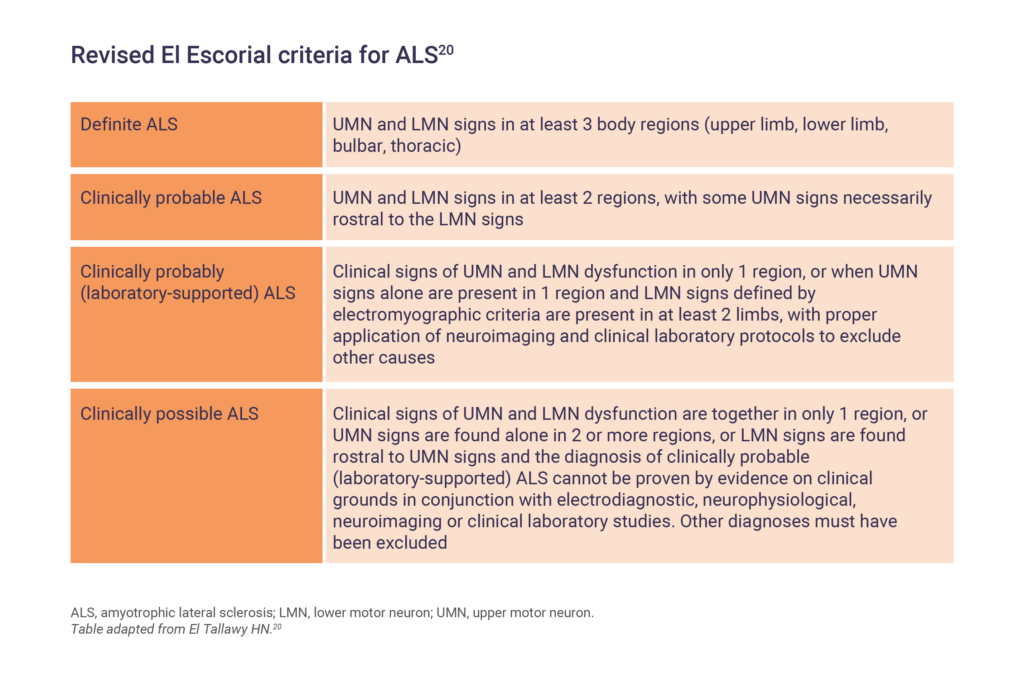
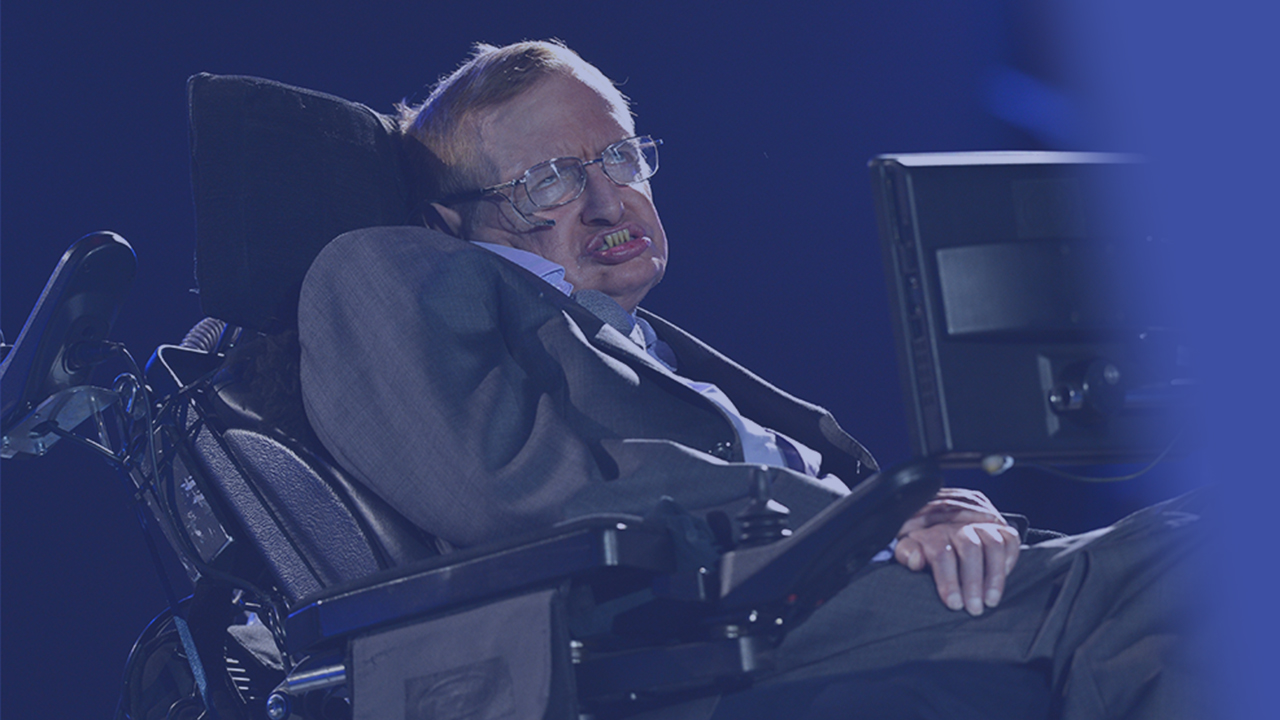
Okay, so let's talk about something that sounds super serious, and it is, but we're going to break it down without needing a Ph.D. in Medical Jargon. We're diving into how doctors figure out if someone has ALS, also known as Amyotrophic Lateral Sclerosis. Think of it like being a detective, but instead of a shady alley, the crime scene is inside your own body, and the culprit is… well, a bit mysterious. It’s not like spotting a rogue sock in the laundry; it’s a bit more complex than that!
So, you've been feeling a bit off. Maybe your hand has been doing a little jig on its own, or your leg feels like it's dragging its feet more than usual. It's like your body's GPS has gone a little haywire, sending mixed signals. You go to the doctor, and they start asking questions. This is the first step, and it’s kind of like them gathering clues at a tea party. They want to know everything: when it started, what it feels like, if you've been tripping over air more than usual, or if your favorite mug suddenly feels heavier than a bowling ball.
They’ll probably ask about your family history too. It’s not for gossip, but more like checking if there’s a family tradition of, say, suddenly developing an uncanny ability to mimic a rusty door hinge. While most ALS cases pop up out of the blue, like a surprise pop quiz you didn’t study for, knowing if there’s a history helps them rule things in or out.
Then comes the physical exam. This is where the doctor plays a bit of a game of "Simon Says," but with a serious twist. They'll ask you to do things like walk, stand up from a chair, grip their hand, or wiggle your toes. It’s not a performance review of your athletic prowess, but more of a way to see how your muscles are responding. They’re looking for signs of weakness, twitching (those little involuntary shivers that can feel like a secret code your body is trying to send), and changes in your reflexes. It’s like checking if your internal wiring is still carrying the messages from your brain to your muscles loud and clear, or if there’s some static on the line.
The Detective Work Begins: Ruling Out the Usual Suspects
Now, here’s the crucial part. ALS is a diagnosis of exclusion. That’s a fancy way of saying doctors have to prove it’s ALS by first ruling out everything else that could be causing your symptoms. Think of it like trying to find a specific needle in a massive haystack. There are a lot of other things that can make your muscles act up. We’re talking about conditions that might make your leg feel heavy, like nerve problems, muscle diseases, or even just a really bad case of fatigue after a particularly enthusiastic Netflix binge.
So, they’ll likely order a bunch of tests. Don't groan! These aren't to torture you, but to be thorough. It’s like having a team of specialists examine every possible suspect before bringing in the lead investigator.
Blood and Urine Tests: The Body's Autobiography
First up, blood and urine tests. These are like asking your body to write its autobiography. They can reveal a whole host of things. For instance, they can check for vitamin deficiencies that might be messing with your nerves, or signs of an infection that’s causing inflammation. They can also look for markers that suggest other muscle diseases or autoimmune conditions. It's all about getting a baseline, a snapshot of what's going on internally, so they can say, "Okay, it's not this common cold that's making your arm feel like a noodle."
Imagine trying to fix a squeaky door. You wouldn't just start hammering randomly, right? You'd check if it's a loose hinge, a rusty nail, or maybe just needs a little WD-40. These initial tests are like checking for the squeaks and rattles before assuming the whole door needs replacing.
Electromyography (EMG) and Nerve Conduction Studies (NCS): The Body's Electrical System Check
Okay, this one sounds a bit sci-fi, and in a way, it is! Electromyography (EMG) and Nerve Conduction Studies (NCS) are like giving your body’s electrical wiring a thorough inspection. Think of your nerves as the internet cables carrying signals from your brain to your muscles, and your muscles as the devices that receive those signals and do the work. In ALS, those "cables" or the "devices" start to have issues.

During an EMG, a tiny needle electrode is inserted into a muscle. Now, don't picture a giant sewing needle! It's super thin. This needle picks up the electrical activity in the muscle. When you try to contract the muscle, the doctor can see how it responds. They’re listening to the "chatter" of your muscle fibers. If there are problems, it might sound like a disorganized party with signals going all over the place, or a silent disco where no one’s getting the beat.
The NCS part is like testing the speed and strength of the signals traveling through your nerves. Small electrodes are placed on your skin, and a mild electrical current is delivered to a nerve. It's a quick zap, usually not painful, just a bit tingly. They measure how fast and how strong the signal travels to another electrode further down the nerve. If the signals are slow or weak, it’s a clue that the nerve itself might be struggling to transmit messages properly.
These tests are incredibly valuable because they can show specific patterns of nerve and muscle damage that are characteristic of ALS. It’s like finding a specific type of glitch in the system that only happens when a particular component is failing.
Imaging Tests: Peeking Inside the Control Center
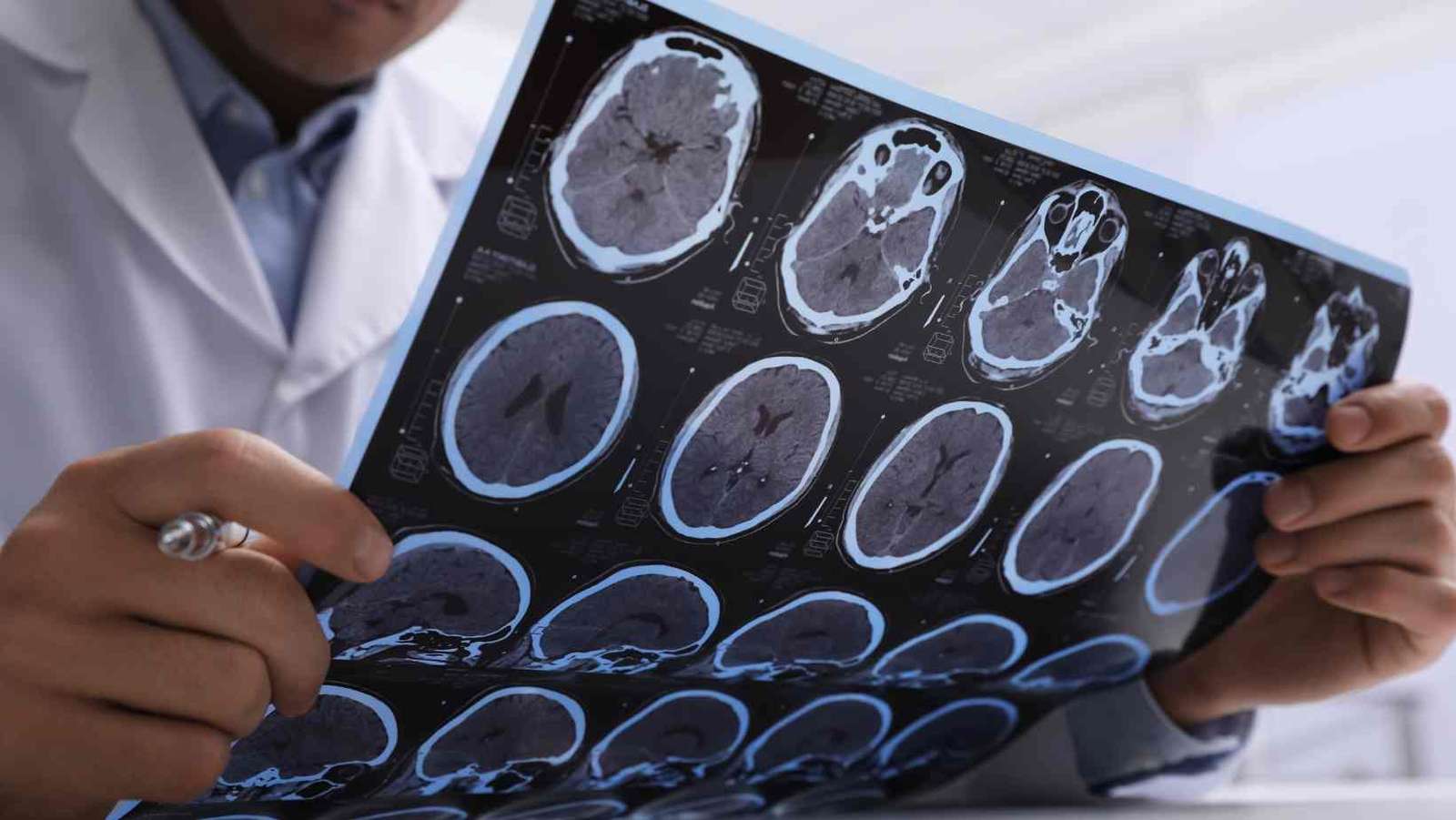
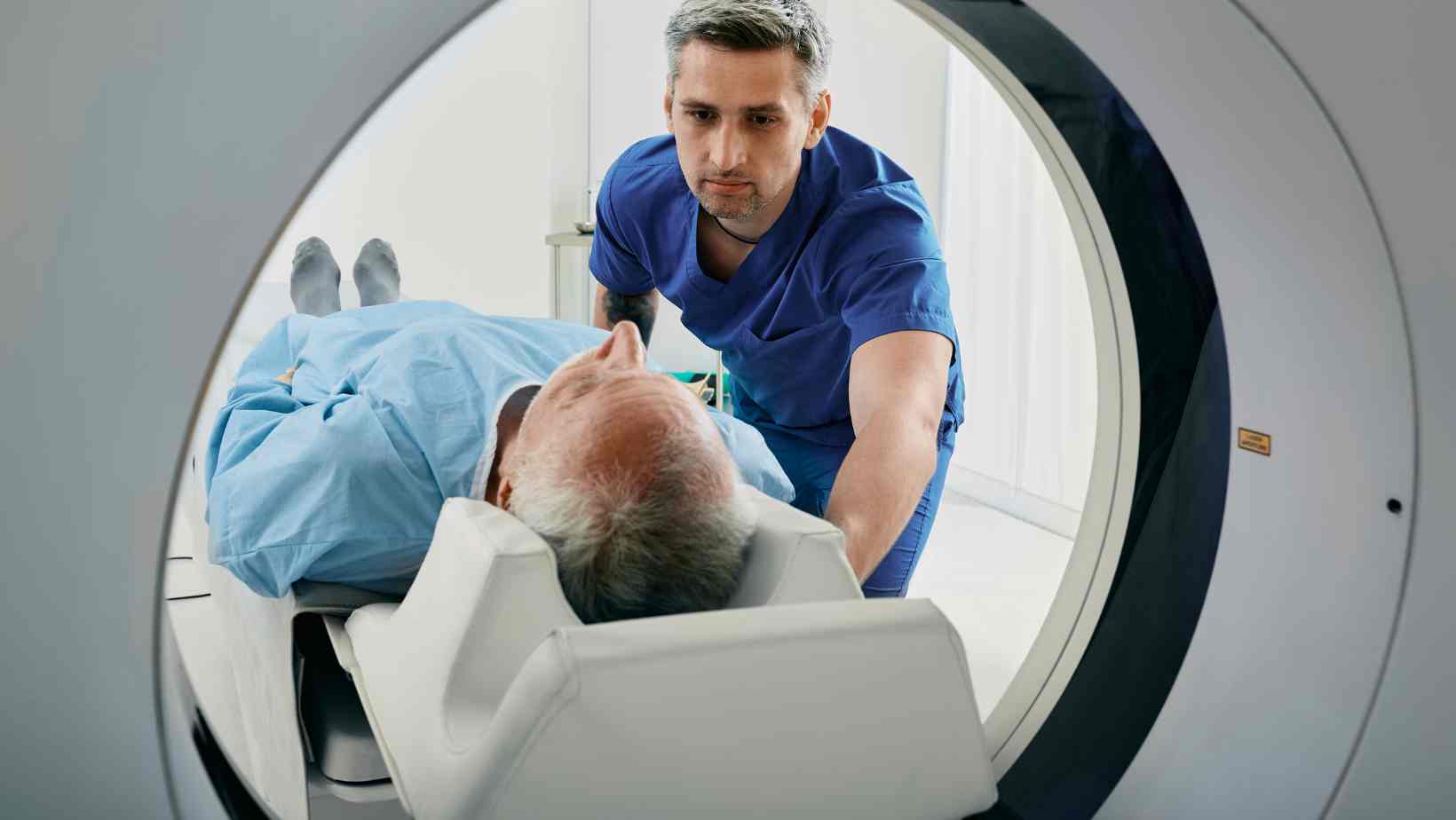
Sometimes, doctors will use imaging tests like MRI (Magnetic Resonance Imaging) or CT scans (Computed Tomography). These are like getting a detailed blueprint of your brain and spinal cord. Think of your brain and spinal cord as the main control center of your body. These scans allow doctors to look for any structural abnormalities, like tumors or lesions, that could be mimicking ALS symptoms. It’s like checking if there’s a rogue squirrel chewing through the wires in the control room, or if a section of the building is compromised.
While these scans typically won't diagnose ALS directly (because ALS often doesn't show up on standard imaging), they are crucial for ruling out other conditions. If a scan shows something concerning, like a stroke or a spinal cord injury, then that becomes the focus. It’s all part of eliminating the other suspects.
The Final Verdict: When All Other Doors Are Closed
So, after all these tests, the doctor is left with a puzzle. If they've systematically ruled out all the other common culprits – the infections, the deficiencies, the structural problems, the other nerve and muscle diseases – and the symptoms persist and fit the pattern of ALS, then they can start to feel more confident about the diagnosis.

It’s important to remember that ALS is a clinical diagnosis. This means it’s primarily based on the doctor’s clinical judgment, supported by the results of these tests. There isn't one single "ALS test" that comes back with a definitive "yes" or "no" like a pregnancy test (though those are pretty straightforward!). It's more like building a case, brick by brick, until the picture becomes clear.
The neurologist, a specialist in brain and nerve disorders, is usually the one to make the final call. They'll review all the information, talk to you again, and then discuss the findings. It’s a serious conversation, no doubt, but the process is about being absolutely sure before delivering news of such magnitude.
Think of it like planning a big, surprise party for a friend. You have to make sure it’s actually your friend’s birthday, that they like surprises, and that you’ve invited all the right people. You don't just show up with balloons and cake without checking all the details! The diagnostic process for ALS is similar – it requires thoroughness, careful consideration, and eliminating any possibility of error.
Ultimately, the goal is to provide the most accurate diagnosis possible, so that if it is ALS, you and your medical team can start discussing the best path forward, focusing on managing symptoms and improving quality of life. It’s not about a quick fix, but about understanding the situation thoroughly and planning accordingly, much like you’d plan a major life event. It's a journey, and the first step is understanding what's happening, and the doctors are the guides on that initial part of the path.