Remember that time when the British monarchy had a bit of a… well, a scandal? You know, the one involving a King who traded his crown for a Duchess? It feels like ancient history, a tale spun from velvet and gossip. Well, buckle up, buttercups, because the whispers are getting louder, and the name on everyone's lips isn't Edward VIII this time. It's Andrew. And the question on everyone's mind? Is this Abdication Crisis 2.0?
Now, before we dive headfirst into the royal tea leaves, let's set the mood. Imagine a crisp autumn day, a steaming mug of something decadent – maybe a gingerbread latte, or perhaps a robust Earl Grey, if you're feeling traditional. You're scrolling through your news feed, and then BAM. The headlines hit you like a perfectly aimed scone. Prince Andrew, Duke of York, facing serious accusations. It’s enough to make even the most stoic among us raise an eyebrow. And it’s inevitably drawing comparisons to that other, infamous abdication.
The Ghosts of 1936: A King's Love Story (or Tragedy?)
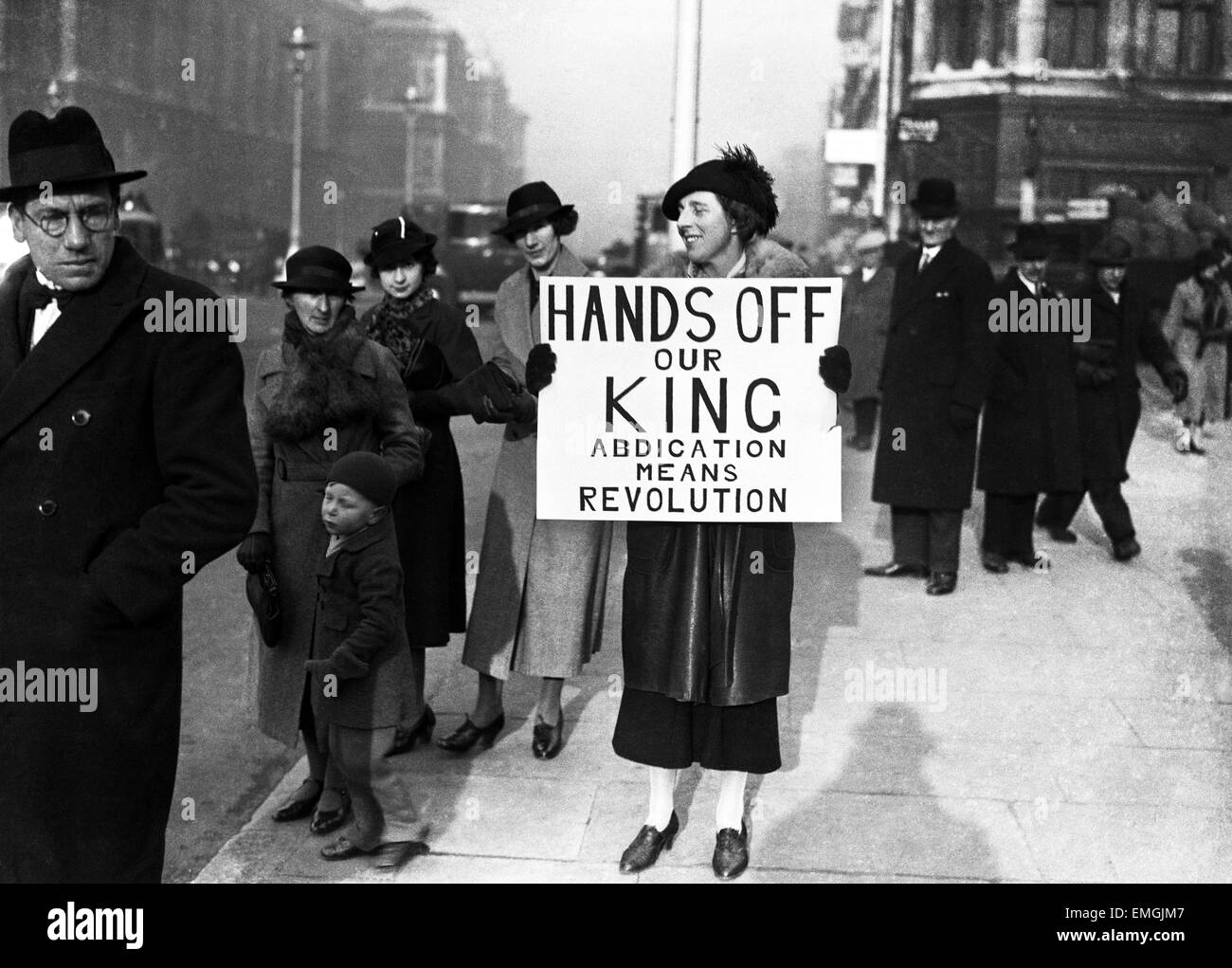
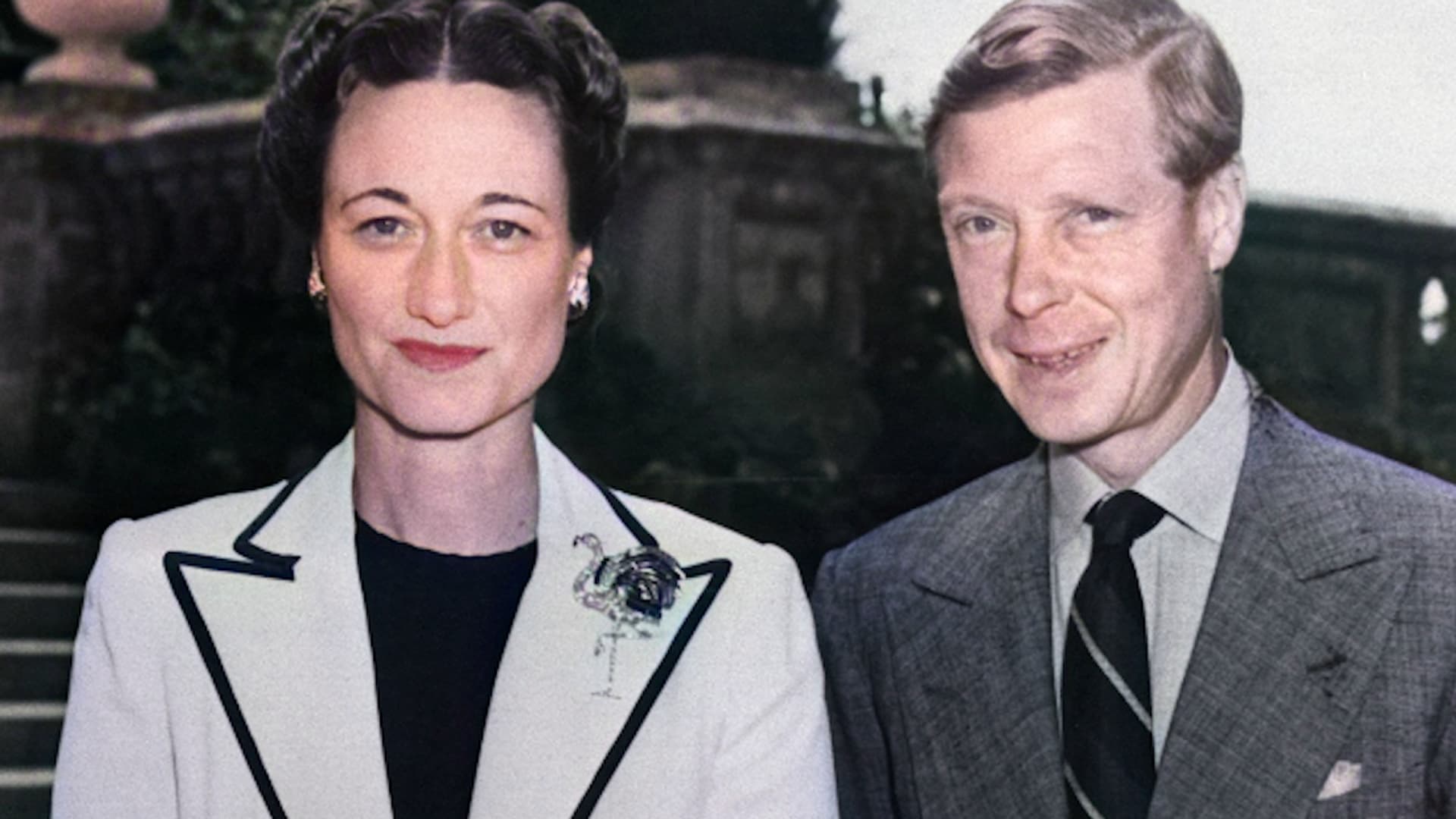
Let’s rewind the clock, shall we? To 1936. A year that, frankly, sounds like it belonged in a black and white film. King Edward VIII, a man known for his dashing good looks and perhaps a penchant for the finer things, fell head over heels for Wallis Simpson, an American socialite. The catch? She was divorced. Twice. And the Church of England, of which the monarch is the head, absolutely did not approve of marrying a divorced woman. In fact, it was a pretty big no-no.
This wasn't just a minor hiccup; it was a constitutional crisis. Think of it as the ultimate relationship red flag, but with palaces and coronations involved. Edward, faced with a stark choice – his love or his throne – made his decision. He abdicated. His famous words, broadcast to the nation, were simple yet profound: "I have found it impossible to carry the heavy burden of responsibility and to discharge my duties as King as I would wish to do without the help and support of the woman I love." Talk about a dramatic exit!
The result? His younger brother, George VI (yes, the father of the late Queen Elizabeth II), found himself thrust onto the throne, a position he never expected. His journey, immortalized in "The King's Speech," is a testament to duty and overcoming personal struggles. A true underdog story, if you ask me.
Fun Fact Alert! Did you know that Edward VIII was the first British monarch to abdicate? Talk about making history, even if it wasn't the kind he initially planned.

Fast Forward to Now: Prince Andrew's Predicament
So, how does Prince Andrew’s current situation stack up against this historical bombshell? Well, the parallels are… striking, to say the least. While the specifics are different – we're not talking about marrying a twice-divorced American here – the core issue revolves around the monarch's son facing severe public scrutiny and allegations that could, potentially, tarnish the reputation of the entire Royal Family. And let's be honest, in the world of celebrity and royalty, reputation is everything, isn't it?
Prince Andrew has been accused of sexual assault by Virginia Giuffre, who claims she was trafficked by Jeffrey Epstein and Ghislaine Maxwell. These are extremely serious allegations, and they have understandably sent shockwaves through the monarchy and beyond. Unlike Edward VIII, Andrew hasn't abdicated his title, but he has stepped back from his public duties. This is a significant move, a royal vanishing act of sorts, a way to distance the Crown from the ongoing legal proceedings and the public outcry.
He has, of course, vehemently denied the allegations. But the sheer weight of the accusations, the ongoing legal battles, and the constant media attention have created a storm that even the most seasoned royal PR team would struggle to navigate. It's a different kind of "burden of responsibility," but a burden nonetheless.
Cultural Context Corner! Remember the buzz around Ghislaine Maxwell’s trial? It brought a chilling reminder of the dark underbelly of wealth and influence, and Prince Andrew’s name was unfortunately, and perhaps inevitably, drawn into that narrative.
The 'Help and Support' Question: Then vs. Now
Edward VIII's choice was about choosing love over duty. He wanted to marry Wallis, and when the establishment wouldn't allow it, he bowed out. It was a personal, albeit monumental, decision. Andrew's situation is more complex. It’s not about choosing a spouse; it’s about facing serious legal accusations and the consequences that come with them.
In 1936, the "help and support" Edward sought was from the woman he loved. Today, the "help and support" Andrew might be receiving – or perhaps not receiving – is from his family and the institution he represents. The Queen, his mother, was famously stoic and dedicated to duty. How she navigated this personally is something we can only speculate on, but her public stance has always been one of unwavering commitment to the Crown.
The difference, too, is the speed and intensity of information dissemination. In 1936, news traveled slower, and public opinion was shaped differently. Today, with social media and 24/7 news cycles, every development is amplified, dissected, and debated in real-time. It's a relentless barrage, and it puts immense pressure on everyone involved.

What This Means for the Monarchy's Image
The British monarchy, for all its tradition and pomp, is constantly under a microscope. It's an institution that thrives on public approval and a perception of moral uprightness. Scandals, no matter how seemingly distant, can chip away at that image. The abdication crisis of 1936 was a massive blow. It shook the foundations of the monarchy and forced a very public introspection.
Andrew’s predicament, while different in nature, also presents a significant challenge. The allegations are deeply troubling, and the continued association, even if indirect, can cast a shadow. The Royal Family's response – stepping back from duties, public statements, and legal maneuvering – is a carefully choreographed dance to protect the institution while addressing the individual issue. It's a tightrope walk, for sure.
Pop Culture Nugget! Think about all the royal dramas and documentaries. They often explore the personal lives of royals and the pressures they face. This current situation is the real-life drama playing out before our eyes, far more gripping and consequential than any fictional portrayal.
Practical Tips for Navigating Your Own 'Crises' (Royal or Otherwise)

Okay, so most of us aren't dealing with abdication-level dramas. But we all face our own personal challenges, right? Here are a few tips inspired by the resilience (or lack thereof) seen in these royal sagas:
- Honesty is the best policy: Whether it's a small white lie or a major transgression, facing issues head-on, with integrity, is always the best path. Edward VIII chose love, but perhaps a more transparent approach could have… well, that’s a whole other article!
- Surround yourself with good counsel: Edward VIII had advisors who urged him towards abdication. Andrew, too, will be relying on legal teams and, presumably, family advice. Choose your advisors wisely – those who offer sound, unbiased judgment.
- The power of stepping back: Sometimes, the best thing you can do is create some space. If you're feeling overwhelmed, stressed, or embroiled in a difficult situation, taking a break, a "step back" from the daily grind, can offer clarity and perspective. Go for a walk, meditate, disconnect from the noise.
- Protect your reputation (wisely): While it’s tempting to get defensive, a calm, measured approach often serves better in the long run. Focus on facts, be respectful, and let your actions speak for themselves.
- Remember your values: What truly matters to you? For Edward VIII, it was love. For the current monarchy, it’s duty and tradition. For you, it might be family, career, creativity, or personal growth. Keep your core values at the forefront when making decisions.
The Echoes in Our Daily Lives
It's easy to get lost in the glamour and drama of royal lives, but these stories, even the ones that seem a world away, often hold surprising echoes of our own experiences. The pressure to conform, the search for love and happiness, the weight of responsibility, the consequences of our choices – these are universal themes.
When we hear about a royal facing accusations or stepping back from their duties, it’s a reminder that everyone, no matter their status, grapples with complex situations. It prompts us to think about our own values, the choices we make, and the impact they have on ourselves and those around us.
Perhaps the biggest takeaway is that how we navigate these challenges, the integrity we bring to them, and the lessons we learn, are what truly define us. Whether you're a King contemplating his crown or an individual facing a personal hurdle, the principles of honesty, resilience, and thoughtful action remain remarkably consistent. And that, I think, is a pretty comforting thought to carry with us, even as the royal headlines continue to unfold.