Imagine the old days of Mexican drug cartels, like a classic game of chess. You had your seasoned players, the grandmasters who'd been in the game for decades. They were like the kings and queens, powerful and respected, with their established territories and familiar moves. Think of names like Amado Carrillo Fuentes, the "Lord of the Skies," or the infamous Sinaloa Cartel bosses. They ruled with an iron fist and a lot of old-school swagger.
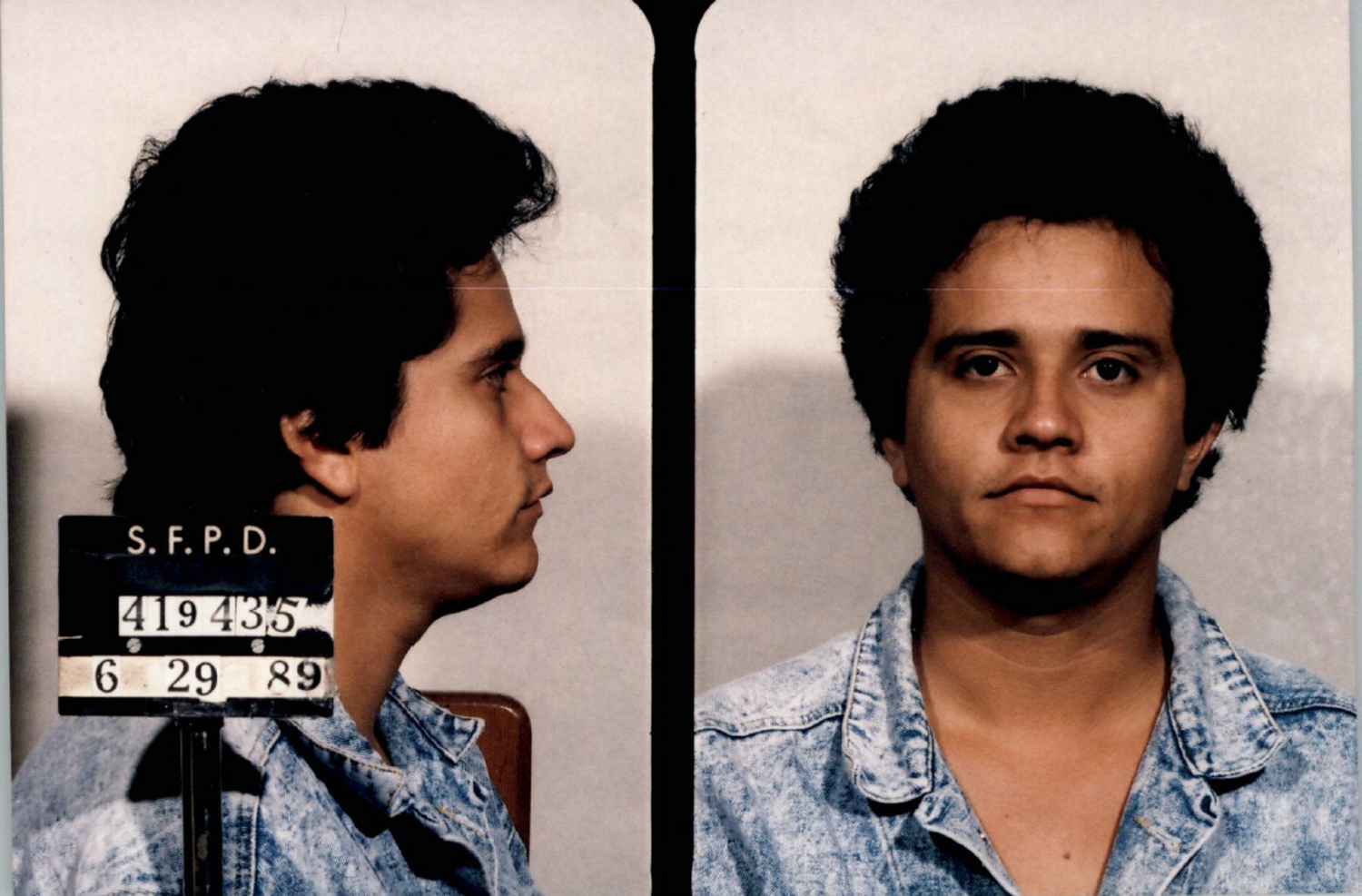
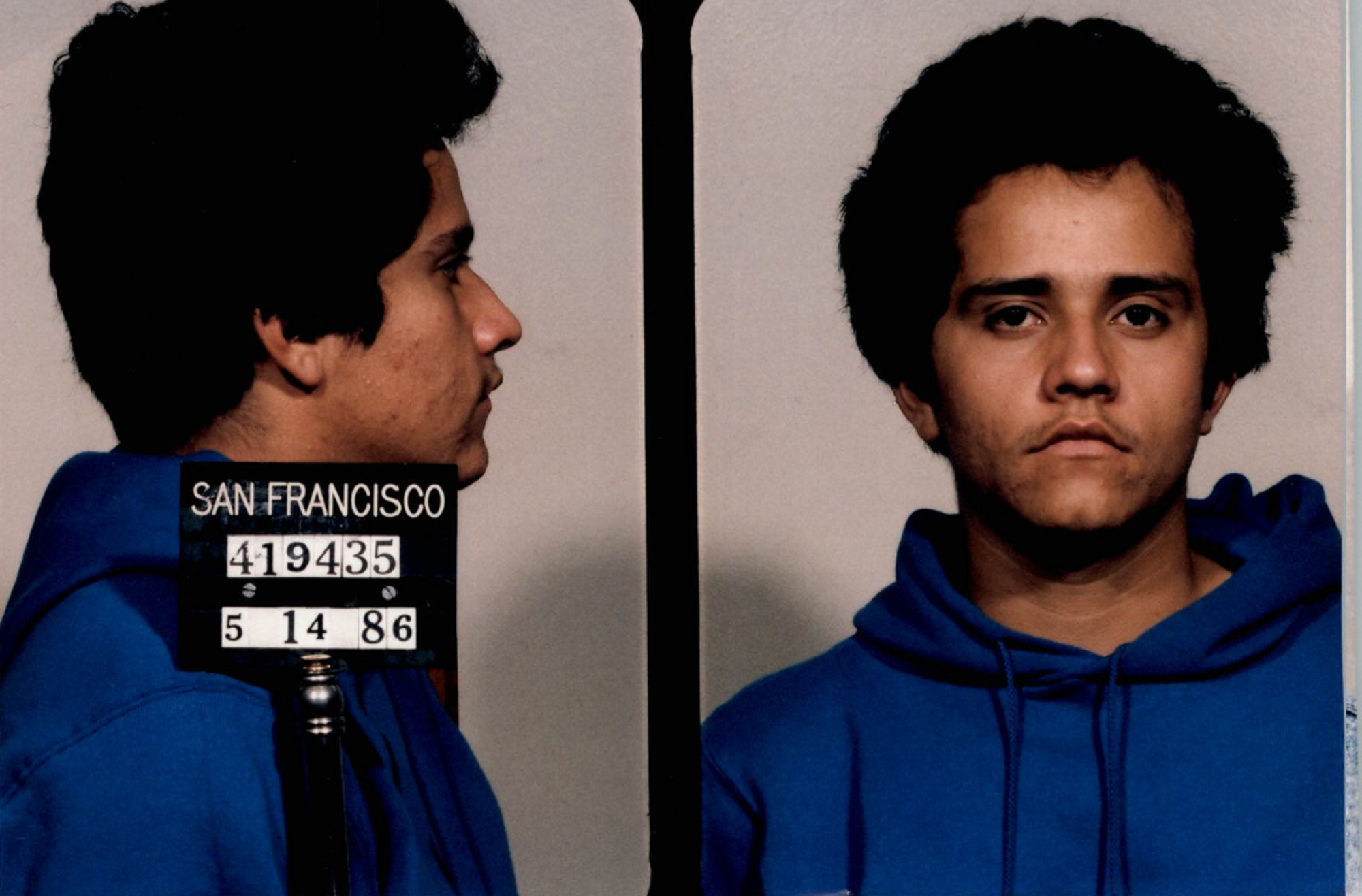
Then, along comes this new guy, a real wildcard named Nemesio Oseguera Cervantes, better known as "El Mencho." He wasn't born into that old guard. He didn't have the inherited titles or the established empires. Instead, he was like a hungry underdog, a scrappy street fighter who saw an opportunity. He watched how the old masters played, but he also saw their weaknesses.
The old guard, bless their hearts, were a bit like dinosaurs. They were big, powerful, and had a certain inertia. They relied on their reputations and their long-standing connections. It was like they had their favorite strategies, the ones that had always worked, and they weren't really looking to change the playbook.
But El Mencho? He was like a tech startup CEO in a world of brick-and-mortar stores. He embraced new ideas and wasn't afraid to disrupt the established order. He looked at how the old cartels operated and thought, "There has to be a more efficient, more modern way to do this."
One of the biggest ways El Mencho outsmarted the old guard was by being incredibly adaptable. Think about it: the drug trade is like a constantly shifting market. New drugs become popular, transportation routes change, and law enforcement gets smarter. The old cartels sometimes struggled to keep up.
El Mencho, on the other hand, was like a chameleon. He could pivot on a dime. If one route got too hot, he found another. If one product wasn't selling, he found a new one. He wasn't tied to tradition; he was driven by results. It was like he had a special "quick change" button for his entire operation!
And let's talk about organization. The old cartels often operated in more hierarchical, almost feudal ways. Power was concentrated, and decision-making could be slow. Imagine a giant corporation with lots of layers of management. Things could get bogged down.
El Mencho, through his Jalisco New Generation Cartel (CJNG), built something more like a lean, mean, and incredibly well-oiled machine. He fostered loyalty, yes, but he also empowered his lieutenants and created a network that was incredibly resilient. It was like a highly efficient startup where everyone knew their role and could act independently.
He also understood the importance of public perception, or at least, he understood how to use it. The old guard often operated more in the shadows, a sort of unspoken understanding. But El Mencho and the CJNG have been known to make bold public statements, even videos, to assert their dominance. It was like they were running PR campaigns, albeit very disturbing ones, to let everyone know who was in charge.

Think of it like this: the old cartels were like luxury cruise ships. Big, grand, and imposing. But sometimes they were a little slow to turn. El Mencho and the CJNG are more like sleek, high-speed yachts. Faster, more agile, and able to navigate choppy waters with ease.
Another key difference was their approach to recruitment and training. The old guard often relied on existing family ties or long-standing associates. It was like inheriting the family business. El Mencho, however, was known for attracting and training a new generation of fighters, often ex-military personnel, who were highly disciplined and ruthless.
This gave the CJNG a significant tactical advantage. They were not just foot soldiers; they were trained operatives. It was like going into battle against a well-drilled army instead of a collection of individuals. They were better armed, better trained, and more coordinated.
The old cartels had their established territories, like kingdoms with clearly defined borders. But El Mencho didn't respect those invisible lines. He was like a territorial conqueror in a video game, constantly pushing the boundaries and expanding his influence. He was not content to just hold what he had; he wanted more.
This aggressive expansion was a major reason he could challenge the established players. While they were busy defending their turf, El Mencho was busy taking it. He was like a farmer who, instead of just tending his own field, was actively planting seeds in his neighbor's, knowing they'd grow faster.
He also mastered the art of forming and breaking alliances. The old guard often had complex, long-standing relationships, sometimes like a family reunion with all the drama. El Mencho was more pragmatic. If an alliance served his purpose, he'd make it. If it became inconvenient, he'd end it, often ruthlessly.
It was like he was playing a high-stakes game of poker, always looking for the best hand and willing to bet big, but also knowing when to fold or even bluff. He didn't get caught up in sentimentality or old grudges. It was all about the current advantage.
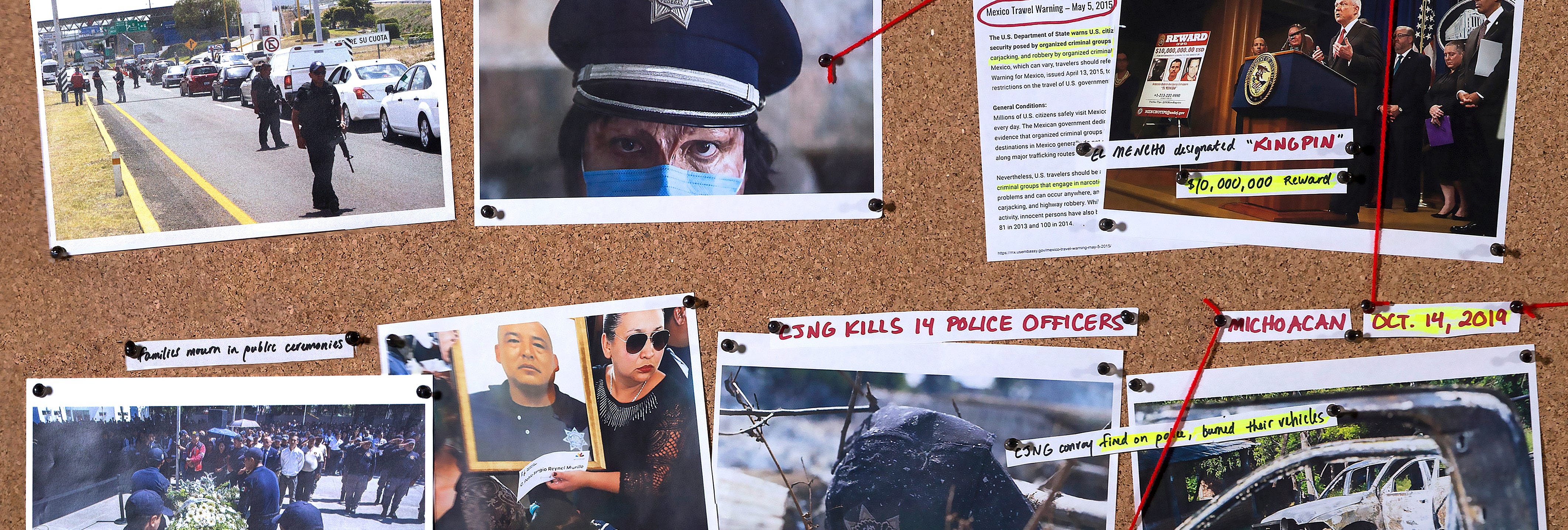
The sheer brutality of the CJNG under El Mencho also played a role. While the old guard could be violent, El Mencho seemed to embrace a level of public spectacle in his violence that shocked even seasoned observers. It was a deliberate strategy to instill fear and to demonstrate overwhelming power. This wasn't just about making money; it was about projecting absolute dominance.
Think of it like a theatrical performance. The old cartels might have had their private dramas, but El Mencho put on a show for the whole world to see. This extreme ruthlessness served as a powerful deterrent to rivals and a clear message to anyone who dared to cross him.
Ultimately, El Mencho succeeded because he was a visionary in a world that was becoming increasingly outdated. He combined the ruthlessness of the old guard with the adaptability and strategic thinking of a modern entrepreneur. He wasn't just a drug lord; he was a master strategist who rewrote the rules of the game.
He took the foundations laid by the old kings and queens and built a completely new castle, one that was more modern, more efficient, and far more formidable. And that, my friends, is how a new legend was forged in the ever-evolving, and frankly terrifying, world of Mexican drug cartels.